
In the realm of engineering and scientific research, understanding the behavior of materials under extreme conditions is crucial. One such condition is vacuum, where the absence of atmospheric pressure can significantly affect the performance and integrity of various components. Rubber plugs, commonly used in sealing applications across multiple industries, are no exception. This article delves into the performance of rubber plugs in vacuum conditions, exploring the factors that influence their behavior, the challenges they face, and the methods employed to ensure their reliability.
The Role of Rubber Plugs in Vacuum Environments
Rubber plugs serve as essential components in systems requiring airtight or hermetic seals. They are used to prevent the ingress or egress of gases and liquids, maintaining the integrity of the system's internal environment. In vacuum applications, rubber plugs must withstand the significant pressure differential between the internal vacuum and the external atmospheric pressure. This is particularly critical in aerospace, medical devices, and research equipment, where maintaining a vacuum is vital for operational efficiency and safety.
Factors Influencing Rubber Plug Performance in Vacuum
Several factors determine the performance of rubber plugs in vacuum conditions. These include the material composition, design and geometry of the plug, the level of vacuum, and the duration of exposure.
Material Composition: The choice of rubber material is paramount. Different rubber compounds exhibit varying degrees of permeability, elasticity, and resistance to deformation under vacuum. For instance, elastomers with low gas permeability and high elastic recovery are preferred. Materials such as silicone, Buna-N, and Viton are often selected due to their ability to maintain seal integrity under vacuum conditions.
Design and Geometry: The design of the rubber plug, including its shape, size, and thickness, plays a crucial role. A well-designed plug ensures even distribution of stress, preventing localized deformation or rupture. The geometry must also account for the coefficient of thermal expansion, as temperature changes can affect the seal's effectiveness.
Level of Vacuum: The degree of vacuum, measured in terms of pressure, directly impacts the performance of the rubber plug. Higher vacuum levels exert greater force on the plug, increasing the risk of seal failure. Therefore, the plug must be designed to withstand the specific vacuum level it will encounter in application.
Duration of Exposure: Prolonged exposure to vacuum conditions can lead to material degradation over time. This can manifest as creep, where the rubber gradually deforms under constant stress, or as outgassing, where trapped gases within the material are released, compromising the vacuum integrity.
Challenges Faced by Rubber Plugs in Vacuum Conditions
Rubber plugs face several challenges in vacuum environments that can affect their performance and longevity.
Gas Permeation: Even the most impermeable rubbers allow some degree of gas permeation over time. In a vacuum, this can lead to a gradual loss of vacuum integrity, affecting the system's performance.
Deformation and Creep: The absence of atmospheric pressure can cause the rubber plug to deform or creep, leading to a loss of seal contact pressure. This can result in leaks and a compromise of the vacuum environment.
Outgassing: Rubber materials can contain trapped gases that are released over time, especially under vacuum conditions. Outgassing can contaminate the vacuum environment and affect the system's operation.
Temperature Fluctuations: Vacuum systems often experience temperature changes, which can affect the rubber's elastic properties. Extreme temperatures can cause the rubber to harden or soften, compromising its sealing ability.
Ensuring Rubber Plug Reliability in Vacuum Conditions
To ensure the reliability of rubber plugs in vacuum conditions, several strategies can be employed.
Material Selection: Choose rubber compounds with low gas permeability, high elastic recovery, and good resistance to temperature fluctuations. Conduct thorough testing to verify the material's suitability for the specific vacuum application.
Design Optimization: Use finite element analysis (FEA) to simulate the stress distribution and deformation of the rubber plug under vacuum conditions. This allows for the optimization of the plug's design to ensure even stress distribution and prevent localized failure.
Quality Control: Implement stringent quality control measures to ensure the rubber plugs are free from defects that could compromise their performance. This includes visual inspections, dimensional checks, and functional testing.
Conditioning and Pre-treatment: Subject the rubber plugs to conditioning processes, such as thermal cycling or vacuum baking, to remove trapped gases and stabilize the material before use. This reduces the risk of outgassing and improves the plug's performance in vacuum conditions.
Regular Monitoring and Maintenance: Continuously monitor the performance of the rubber plugs in vacuum systems. Regular maintenance, including inspections and replacements as needed, ensures the long-term reliability of the seals.
Rubber plugs play a critical role in maintaining the integrity of vacuum systems across various industries. Their performance in vacuum conditions is influenced by several factors, including material composition, design, vacuum level, and duration of exposure. By carefully selecting the right material, optimizing the design, implementing quality control measures, and conducting regular monitoring and maintenance, the reliability of rubber plugs in vacuum environments can be ensured.
Understanding the behavior of rubber plugs under vacuum conditions is essential for the successful operation of systems that rely on airtight or hermetic seals. As technology advances and new materials and designs emerge, the performance of rubber plugs in vacuum environments will continue to improve, enabling more efficient and reliable systems in a wide range of applications.
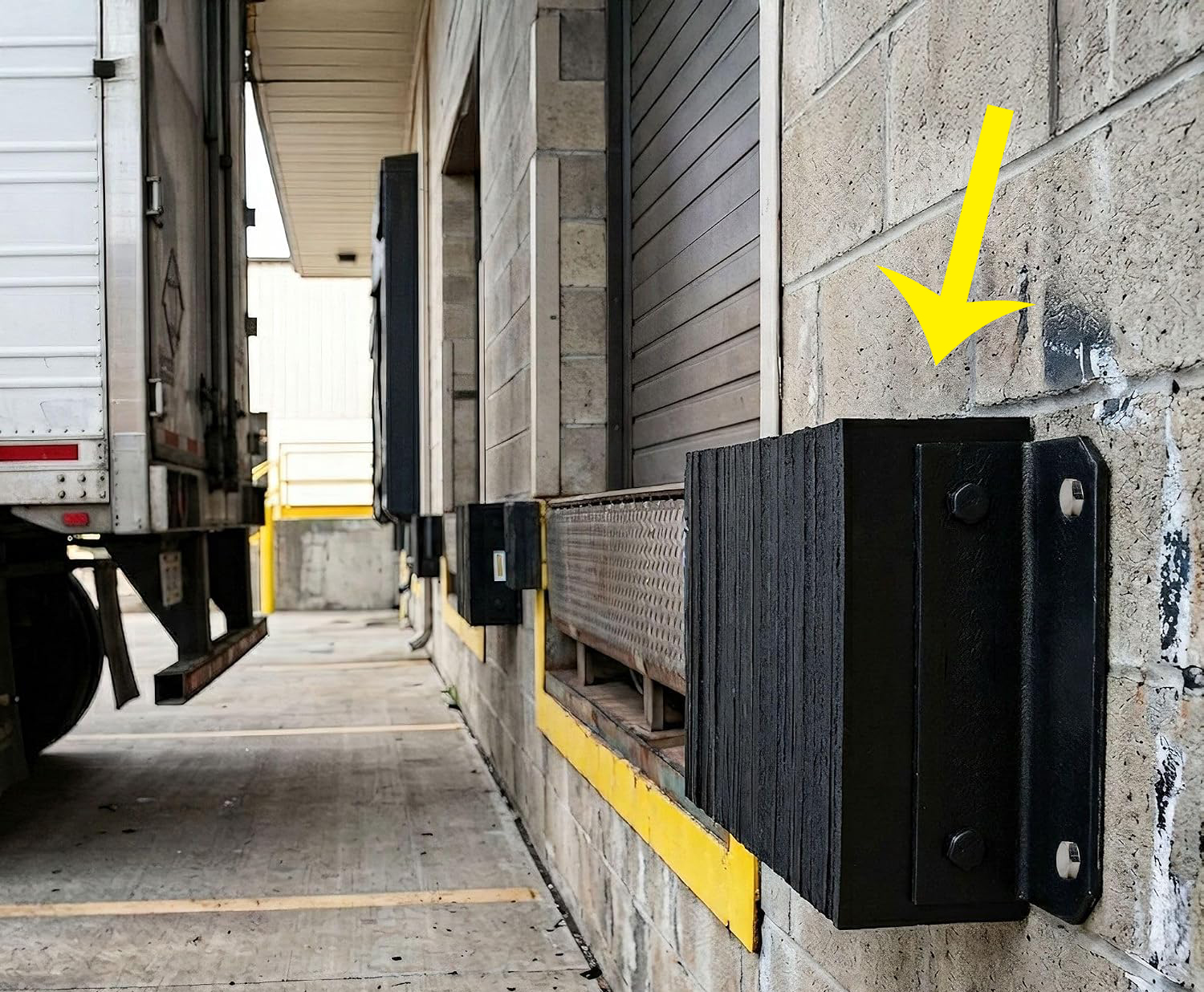 Rubber Laminated Loading Dock Bumper with Steel Angle: 5 Field Failure Signs That Point Back to the RFQ
 Bridge Bearing Pad Field Failure: 5 Visual Signs Before It Retires (And What Caused It)
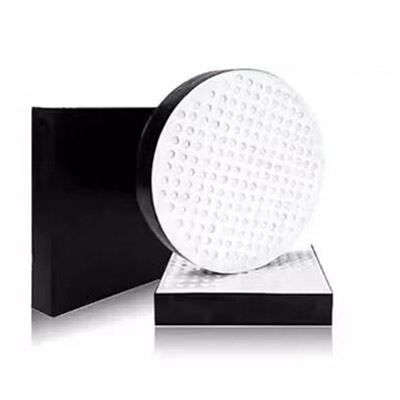 Bridge Bearing Pad RFQ Checklist: 9 Lines That Stop Suppliers From Subbing the Rubber
 Laminated Rubber Bearing: Maintenance and Inspection Protocols