
In the realm of manufacturing, every component plays a vital role in the overall functionality and cost-effectiveness of a product. One such seemingly insignificant yet crucial element is the rubber plug. These small, often overlooked components are integral to various industries, including automotive, electronics, and plumbing, where they serve purposes ranging from sealing to protecting delicate parts. Optimizing rubber plug design for cost efficiency is not just about reducing material costs; it's a holistic approach that involves considering factors such as production efficiency, material selection, design innovation, and lifecycle management. This article delves into the strategies and considerations for achieving cost-efficient rubber plug designs.
Understanding the Basics of Rubber Plugs
Rubber plugs are typically used to seal openings, prevent leakage, and protect components from dust, moisture, and other contaminants. They come in various shapes, sizes, and materials, each tailored to specific applications. The design process begins with understanding the functional requirements of the plug, including the pressure it needs to withstand, the chemicals it may be exposed to, and the temperature ranges it must endure.
Material Selection: Balancing Performance and Cost
One of the first steps in optimizing rubber plug design is selecting the right material. Rubber materials vary widely in terms of their properties, such as elasticity, hardness, resistance to chemicals, and temperature tolerance. Choosing a material that meets the performance requirements without over-engineering is crucial for cost efficiency.
Elastomers like natural rubber, styrene-butadiene rubber (SBR), nitrile rubber (NBR), and ethylene-propylene-diene monomer (EPDM) are commonly used due to their versatility and cost-effectiveness. For instance, NBR is known for its oil resistance, making it ideal for automotive applications where exposure to oils and fuels is common. On the other hand, EPDM offers excellent weather resistance and is often used in outdoor applications.
When selecting a material, it's essential to consider not only the initial cost but also the long-term durability and maintenance requirements. A more expensive material that lasts longer and requires less frequent replacement can be more cost-efficient in the long run.
Design for Manufacturing (DFM) Principles
Implementing Design for Manufacturing (DFM) principles is key to optimizing rubber plug design for cost efficiency. DFM involves designing products with the manufacturing process in mind, aiming to minimize production costs, reduce waste, and improve quality.
Simplification of Design: Complex designs can increase production time and material waste. Simplifying the shape and reducing the number of features can streamline manufacturing and reduce costs. For example, eliminating undercuts and sharp edges can make the mold release process easier and extend mold life.
Moldability: Designing rubber plugs that are easy to mold is crucial. This includes considering the draft angles, part thickness, and the ability to eject the part from the mold without damage. Proper design can reduce the need for secondary operations, such as trimming or finishing, which add to the cost.
Material Utilization: Optimizing the design to use material efficiently can significantly reduce costs. This might involve adjusting the part's dimensions to minimize excess rubber or designing features that allow for better material flow during molding.
Innovative Design Features
Incorporating innovative design features can enhance the functionality of rubber plugs while maintaining cost efficiency. For example:
Multi-functional Designs: Combining multiple functions into one component can reduce the number of parts and assembly costs. A rubber plug that also acts as a vibration damper or a strain relief can eliminate the need for additional components.
Integrated Sealing Features: Designing rubber plugs with integrated sealing lips or grooves can improve sealing performance without the need for additional sealing materials or components.
Customizable Solutions: Offering customizable rubber plugs can cater to a wider range of applications, reducing the need for multiple stock-keeping units (SKUs) and inventory costs. Modular designs that can be easily adapted for different sizes or configurations can further enhance flexibility and cost efficiency.
Lifecycle Management
Considering the entire lifecycle of a rubber plug is essential for optimizing cost efficiency. This includes factors such as ease of installation, maintenance, and end-of-life disposal.
Ease of Installation: Designing rubber plugs that are easy to install can reduce labor costs and improve production efficiency. Features such as chamfered edges or textured surfaces can facilitate easier insertion and alignment.
Maintenance and Replacement: Designing for easy maintenance and replacement can extend the lifespan of the product and reduce overall costs. For example, rubber plugs with removable or replaceable components can be repaired instead of replaced, reducing waste and expenditure.
Sustainability: Designing rubber plugs with sustainability in mind can also contribute to cost efficiency. Using recyclable materials, minimizing material waste, and designing for disassembly can reduce disposal costs and enhance the product's environmental footprint.
Quality Control and Testing
Ensuring the quality of rubber plugs is crucial for maintaining cost efficiency. Defective parts can lead to costly reworks, returns, and warranty claims. Implementing robust quality control measures, such as statistical process control (SPC) and in-process inspections, can catch defects early in the production process, reducing waste and rework.
Additionally, conducting thorough testing to validate the design's performance under real-world conditions is essential. This includes testing for seal integrity, resistance to chemicals, temperature extremes, and mechanical stress. Investing in comprehensive testing can prevent costly failures down the line and ensure that the rubber plugs meet the required standards and specifications.
Optimizing rubber plug design for cost efficiency is a multifaceted approach that involves careful consideration of material selection, design innovation, manufacturing processes, lifecycle management, and quality control. By balancing performance requirements with cost considerations, manufacturers can develop rubber plugs that are not only functional and reliable but also economically viable.
Implementing DFM principles, incorporating innovative design features, and considering the entire lifecycle of the product can significantly reduce production costs, improve quality, and enhance customer satisfaction. Moreover, investing in thorough testing and quality control measures can prevent costly defects and ensure that the rubber plugs meet the highest standards.
Ultimately, the key to optimizing rubber plug design for cost efficiency lies in a holistic approach that integrates all these factors, resulting in a component that is both cost-effective and high-performing. As manufacturing continues to evolve, embracing these strategies can help manufacturers stay competitive and meet the ever-growing demands of various industries.
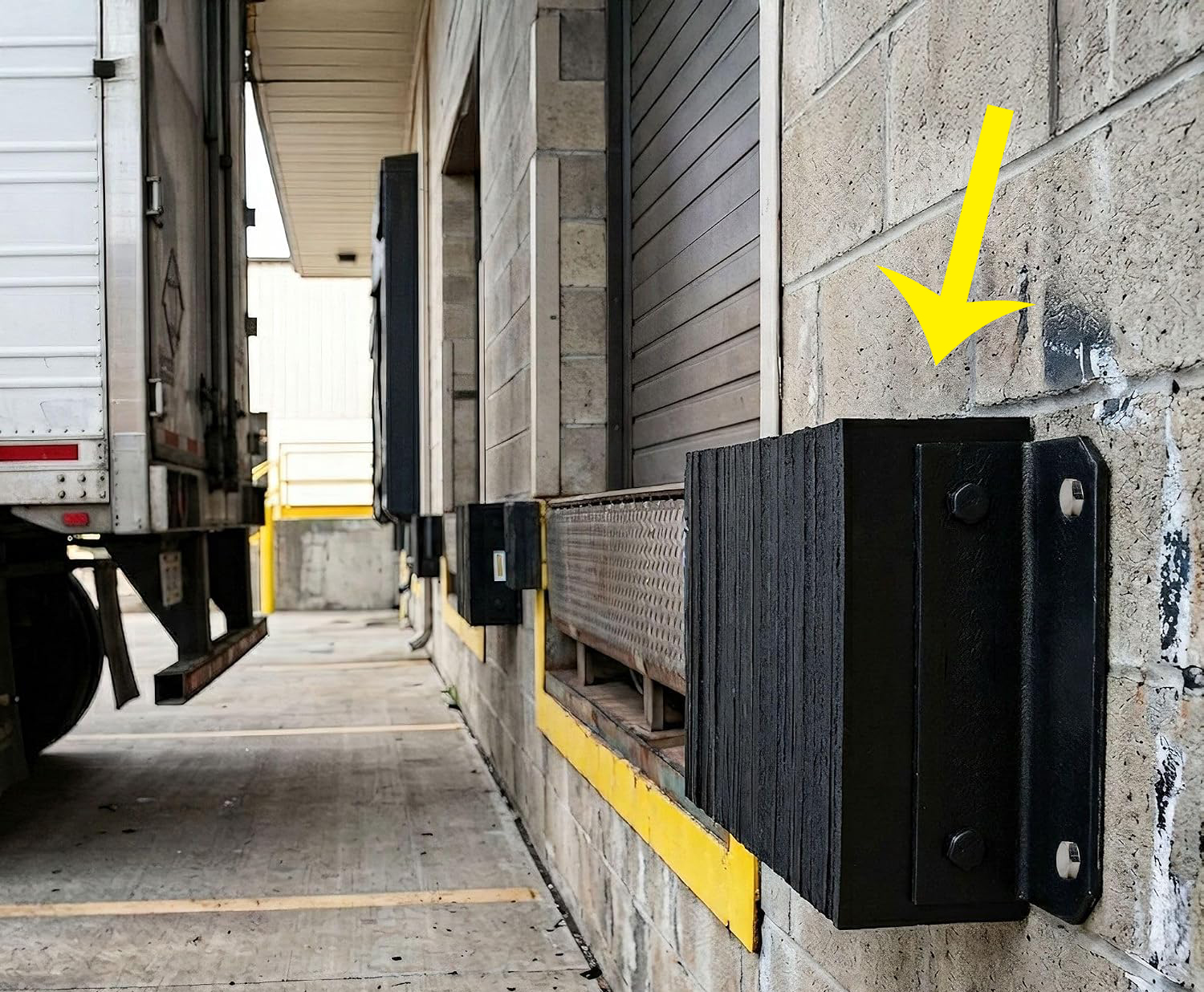 Rubber Laminated Loading Dock Bumper with Steel Angle: 5 Field Failure Signs That Point Back to the RFQ
 Bridge Bearing Pad Field Failure: 5 Visual Signs Before It Retires (And What Caused It)
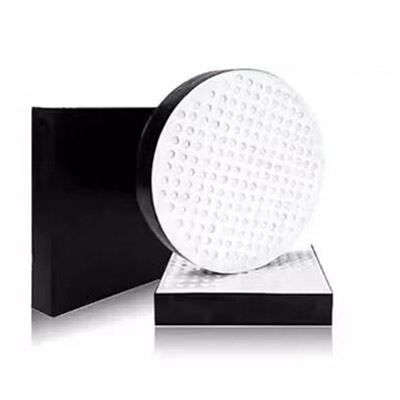 Bridge Bearing Pad RFQ Checklist: 9 Lines That Stop Suppliers From Subbing the Rubber
 Laminated Rubber Bearing: Maintenance and Inspection Protocols