
 When it comes to designing and manufacturing plugs, one of the most critical decisions is selecting the appropriate rubber compound. The right choice ensures that the plug performs optimally, remains durable, and guarantees safety. To identify the best rubber compound for your plug, several factors must be meticulously evaluated. This article will delve into these considerations to help guide you through the selection process.
1. Evaluating Application Requirements
Understanding the specific conditions in which the plug will operate is paramount. This includes assessing environmental conditions, high-temperature resistance, chemical resistance, and physical stress.
Environmental Conditions: The plug's environment will dictate the type of rubber compound needed. Consider the temperature range it will endure, its exposure to various chemicals, and the physical stress it will face. Different rubber compounds exhibit varying levels of resistance to these factors.
High-Temperature Resistance: In applications where the plug will be exposed to high temperatures, compounds such as silicone or ethylene propylene diene monomer (EPDM) are often suitable. These materials can withstand elevated temperatures without losing their structural integrity or elastic properties.
Chemical Resistance: For plugs that will come into contact with chemicals, it is essential to choose a compound with excellent chemical resistance. Nitrile (NBR) and fluorocarbon (FKM) rubbers are renowned for their ability to withstand a wide range of chemicals, making them ideal for such applications.
Physical Stress: Plugs that will be subjected to physical stress require rubbers with good mechanical strength and flexibility. Natural rubber (NR) and styrene-butadiene rubber (SBR) are known for these properties, making them suitable choices for applications where the plug may experience significant physical strain.
2. Assessing Material Properties
Beyond application requirements, the inherent properties of the rubber compound itself play a pivotal role in the selection process.
Elasticity: The ability of the rubber to return to its original shape after deformation is crucial for plugs. Natural rubber (NR) exhibits high elasticity and resilience, making it a popular choice. Styrene-butadiene rubber (SBR) also offers good elasticity at a lower cost.
Tear Strength: Plugs must be able to withstand tearing under stress. Ethylene propylene diene monomer (EPDM) is known for its excellent tear strength and weather resistance, making it a durable option for various applications.
Compression Set: The ability of the rubber to maintain its shape after prolonged compression is another critical factor. Silicone rubber has a low compression set, which is why it is often used in sealing applications where maintaining a tight seal is essential.
Abrasion Resistance: In applications where the plug may experience wear from friction, abrasion resistance becomes a key consideration. Nitrile (NBR) rubber offers high abrasion resistance, making it suitable for environments where the plug may come into contact with abrasive materials.
3. Cost Implications
Cost is always a consideration when selecting a rubber compound for your plug. This includes both the raw material costs and the manufacturing costs associated with the chosen compound.
Raw Material Costs: Some rubber compounds are inherently more expensive than others due to their unique properties. Natural rubber (NR) is generally lower in cost but may fluctuate based on market conditions. Synthetic rubbers, such as silicone or EPDM, often have a higher initial cost but offer better performance and consistency.
Manufacturing Costs: The complexity of the rubber formulation and the processing techniques required can also impact the overall cost. Specialized formulations and intricate manufacturing processes may increase the cost of the final product.
4. Ensuring Regulatory Compliance
Compliance with industry standards and regulations is essential when selecting a rubber compound for your plug. This is particularly important in industries where safety and regulatory compliance are critical.
Industry Standards: Ensure that the chosen rubber compound meets the relevant industry standards and regulations for your specific application. This may involve testing the compound to verify its compliance with certain performance criteria.
Food-Grade Applications: For plugs used in food-grade applications, it is essential to use compounds that are approved by regulatory bodies such as the FDA. Silicone and EPDM are examples of FDA-approved compounds that are non-toxic and safe for use in food-related applications.
Medical Applications: In the medical field, compliance with medical device regulations is paramount. The selected rubber compound must meet the stringent requirements for safety and biocompatibility in medical applications.
Environmental Regulations: Some rubber compounds may have restrictions on their use due to environmental concerns. It is important to be aware of these regulations and choose a compound that complies with environmental standards.
5. Considering Supplier Reliability
The reliability of the supplier is another crucial factor in the selection process. A reputable supplier can ensure consistent performance and provide valuable technical support.
Quality Control: Choose suppliers that have strict quality control measures in place to ensure the consistent performance of their rubber compounds. This will help to minimize the risk of defects or inconsistencies in the final product.
Technical Support: Suppliers that offer technical support and customization services can be invaluable in optimizing the selection process. They can provide expert advice on the most suitable compounds for your specific application and help to tailor the compound to meet your exact requirements.
6. Testing and Validation
Once a rubber compound has been selected, it is essential to conduct thorough testing and validation to ensure that it meets all the requirements for your plug.
Prototype Testing: Begin by conducting extensive testing of prototypes to validate the performance of the selected rubber compound. This may involve subjecting the prototype to various environmental conditions, chemicals, and physical stresses to assess its durability and reliability.
Field Testing: After prototype testing, it is important to evaluate the plug in real-world conditions. Field testing will provide valuable insights into how the plug performs in its intended environment and whether any adjustments or improvements are needed.
Example Compounds for Common Applications
To illustrate the selection process, here are some example compounds for common plug applications:
High-Temperature Seals: Silicone rubber is often used for high-temperature seals due to its high-temperature resistance and low compression set.
Chemical-Resistant Gaskets: Nitrile (NBR) rubber is an excellent choice for chemical-resistant gaskets, thanks to its superior chemical resistance and high abrasion resistance.
Weather-Resistant Roofing: EPDM rubber is commonly used in weather-resistant roofing applications, as it offers excellent weather resistance and high tear strength.
Food-Grade Plugs: For food-grade plugs, silicone or EPDM rubber is often used, as these compounds are FDA-approved and non-toxic.
Mechanical Seals: Natural rubber (NR) is a popular choice for mechanical seals, due to its high elasticity and good mechanical strength.
In conclusion, selecting the best rubber compound for your plug requires careful consideration of application requirements, material properties, cost implications, regulatory compliance, supplier reliability, and testing and validation. By taking the time to thoroughly evaluate these factors and consult with experts in the field, you can identify the optimal rubber compound for your specific plug application. This will ensure that the plug performs reliably, remains durable, and guarantees safety in its intended environment.
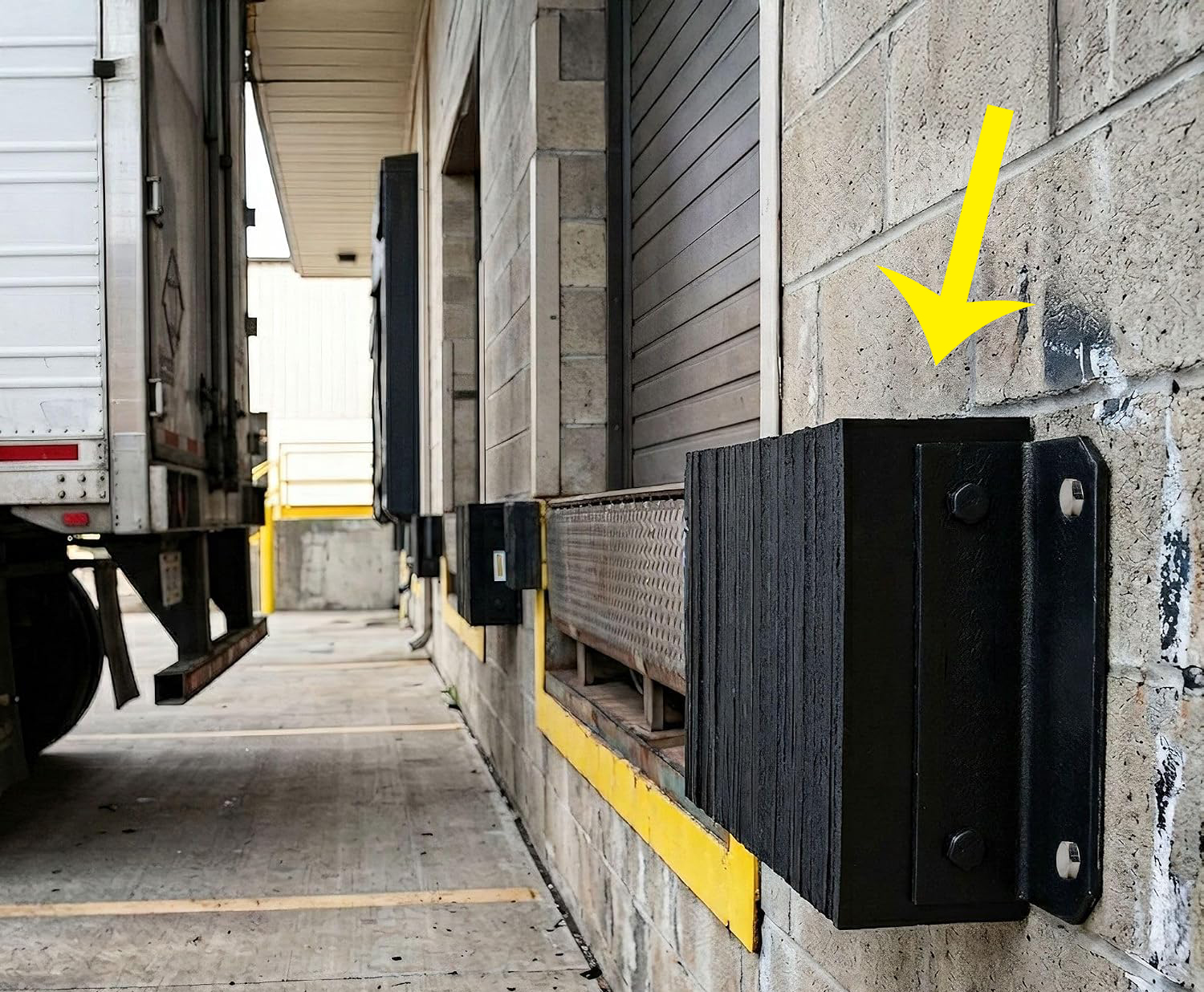 Rubber Laminated Loading Dock Bumper with Steel Angle: 5 Field Failure Signs That Point Back to the RFQ
 Bridge Bearing Pad Field Failure: 5 Visual Signs Before It Retires (And What Caused It)
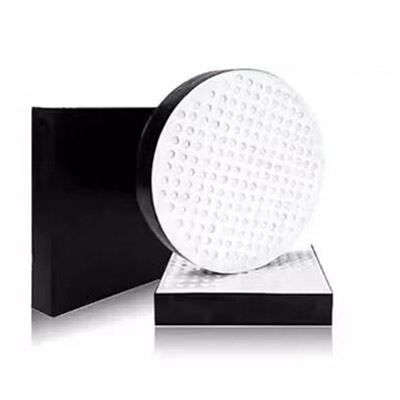 Bridge Bearing Pad RFQ Checklist: 9 Lines That Stop Suppliers From Subbing the Rubber
 Laminated Rubber Bearing: Maintenance and Inspection Protocols