
In the realm of rubber plugs, distinguishing between solid and hollow varieties is vital for making an informed decision tailored to your particular needs. Although an exhaustive online search might not yield direct comparisons, a comprehensive understanding can still be offered based on general industry knowledge. This article delves into the structural, functional, and application-based disparities between solid and hollow rubber plugs, aiming to elucidate their distinct characteristics and suitable usage scenarios.
Structural Composition and Weight
Solid Rubber Plugs: Crafted entirely from rubber material, these plugs present a dense, uniform structure. This solid construction imparts a heavier weight and a robust feel. Their unyielding composition makes them less prone to deformation from external forces, contributing to their overall sturdiness.
Hollow Rubber Plugs: In contrast, hollow rubber plugs feature an internal cavity, significantly reducing their weight. This design not only makes them lighter but also enhances their ease of manipulation and handling, particularly in scenarios where maneuverability is crucial.
Flexibility and Sealing Capabilities
Solid Rubber Plugs: Owing to their dense and compact structure, solid rubber plugs exhibit limited flexibility. However, this rigidity is advantageous in achieving an exceptionally tight seal, especially in high-pressure environments. Their unwavering seal integrity is vital in applications where leakage cannot be tolerated, ensuring reliability and performance.
Hollow Rubber Plugs: The hollow design inherently grants these plugs greater flexibility. This adaptability can be particularly beneficial in applications requiring a degree of pliability. Nevertheless, the sealing effectiveness of hollow plugs can vary. While they can provide adequate sealing in many instances, the extent of tightness might not consistently match that of solid plugs, particularly under high-pressure conditions.
Durability Under Stress
Solid Rubber Plugs: Renowned for their durability, solid rubber plugs excel in withstanding high pressure and mechanical stress. Their robust construction makes them less susceptible to deformation, ensuring longevity and consistent performance even in demanding environments.
Hollow Rubber Plugs: Although durable, hollow rubber plugs may be more prone to deformation when subjected to extreme conditions or sustained pressure. The internal cavity can act as a weak point, potentially compromising their structural integrity under heavy load or prolonged stress.
Application Suitability
Solid Rubber Plugs: These plugs are ideally suited for applications necessitating high pressure and an impeccable seal. Industrial equipment, automotive parts, and heavy-duty machinery often rely on solid rubber plugs to prevent leakage and maintain operational efficiency. Their reliability under pressure makes them a preferred choice in sectors where precision and durability are paramount.
Hollow Rubber Plugs: Conversely, hollow rubber plugs are more appropriate for lower-pressure environments. Their flexibility and lighter weight make them well-suited for applications in household fixtures, light-duty machinery, or settings where a degree of adaptability is advantageous. While they may not offer the same level of rigidity as solid plugs, their versatility and cost-effectiveness render them suitable for less demanding tasks.
Cost Considerations
Solid Rubber Plugs: The utilization of a greater amount of rubber material in their construction typically results in a higher cost. This increased expense reflects their robust design, durability, and superior sealing capabilities. Consequently, solid rubber plugs are often reserved for applications where performance and reliability justify the higher investment.
Hollow Rubber Plugs: Generally more cost-effective, hollow rubber plugs appeal to budget-conscious projects. The reduced material usage and simpler manufacturing process contribute to their lower cost, making them an attractive option for applications where cost efficiency is a primary concern without compromising essential functionality.
Beyond the primary distinctions discussed, several nuanced factors can influence the choice between solid and hollow rubber plugs. For instance, the environmental conditions in which the plugs will operate play a pivotal role. In environments with significant temperature fluctuations, the expansion and contraction of materials must be considered. Solid rubber plugs, with their dense structure, might exhibit less thermal expansion compared to hollow plugs, which could expand or contract more noticeably due to the internal cavity.
Furthermore, the ease of installation and removal is another aspect to contemplate. Hollow rubber plugs, owing to their lighter weight and greater flexibility, might be easier to install in tight spaces or configurations where dexterity is limited. Conversely, solid rubber plugs, while sturdier, could require more force for installation and removal, potentially necessitating specialized tools or equipment.
The intended lifespan of the application is also a determining factor. For long-term, permanent installations where durability and reliability are non-negotiable, solid rubber plugs are often the preferred choice. Their ability to withstand prolonged stress and maintain a tight seal over time makes them a reliable long-term investment. On the other hand, for temporary or short-term applications where cost-efficiency and ease of replacement are prioritized, hollow rubber plugs offer a practical solution.
In conclusion, the decision between solid and hollow rubber plugs is multifaceted, encompassing considerations of pressure requirements, flexibility needs, durability expectations, and cost constraints. Understanding the nuanced differences between these two types of rubber plugs is essential for selecting the most appropriate option for your specific application. By carefully evaluating the requirements of your project and weighing the advantages and limitations of each type, you can make an informed decision that ensures optimal performance, reliability, and cost-efficiency. Whether your needs pertain to high-pressure industrial environments or low-pressure household applications, the right choice of rubber plug can significantly impact the success and longevity of your project.
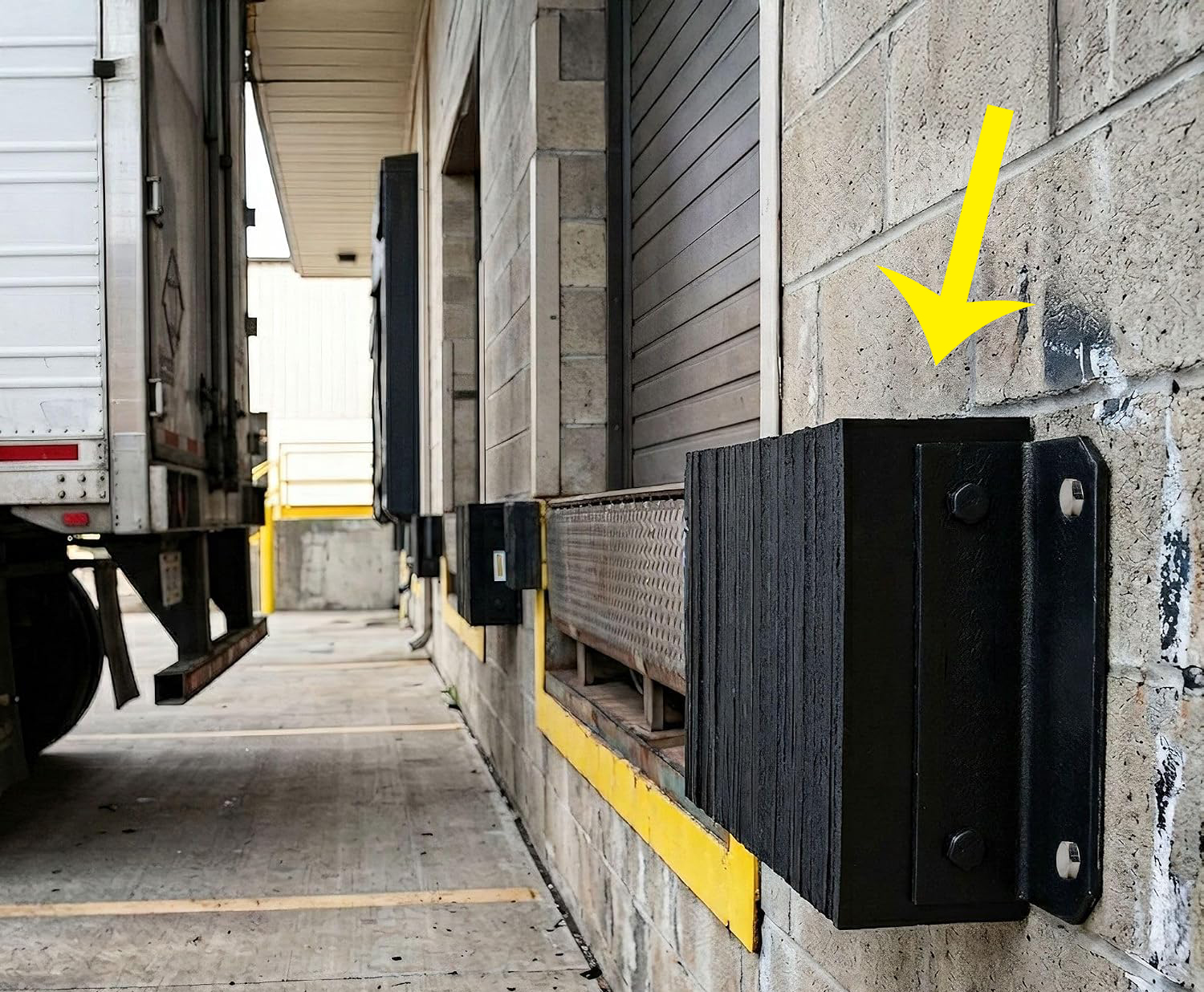 Rubber Laminated Loading Dock Bumper with Steel Angle: 5 Field Failure Signs That Point Back to the RFQ
 Bridge Bearing Pad Field Failure: 5 Visual Signs Before It Retires (And What Caused It)
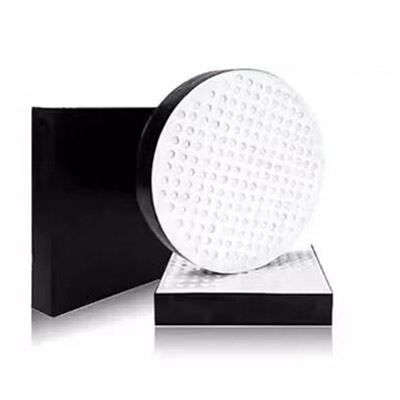 Bridge Bearing Pad RFQ Checklist: 9 Lines That Stop Suppliers From Subbing the Rubber
 Laminated Rubber Bearing: Maintenance and Inspection Protocols