
When it comes to designing rubber plugs for high-vibration environments, special attention must be given to their durability and functionality. This ensures that they can maintain effective sealing and damping properties even under the harshest conditions. Several key factors need to be carefully considered in the design process of such rubber plugs.
The selection of rubber materials suitable for high-vibration environments is of utmost importance. The chosen material must exhibit high elasticity and durability, capable of enduring repeated mechanical vibrations over an extended period without compromising its integrity. Among the array of available options, high-performance rubber materials stand out due to their exceptional properties.
One notable material is silicone rubber, which boasts remarkable resistance to both high and low temperatures. This makes it an ideal choice for high-vibration applications in extreme temperature settings. Whether it's scorching heat or freezing cold, silicone rubber can withstand the thermal extremes while maintaining its sealing and damping capabilities.
Another prominent material is fluoroelastomer, renowned for its high chemical stability and excellent heat resistance. In high-vibration scenarios where chemical corrosion and high temperatures are concerns, fluoroelastomer proves to be a reliable option. Its ability to withstand harsh chemicals and elevated temperatures ensures that the rubber plug remains effective and durable in such demanding environments.
Structural Design Aspects
The structural design of the rubber plug is a critical aspect that requires thorough consideration. Several elements need to be taken into account to ensure optimal performance.
Firstly, the shape and size of the rubber plug play a vital role. The design should ensure a tight fit with the installation location, preventing any looseness or detachment. In some cases, complex geometric shapes, such as T-shapes or other specialized designs, may be necessary. These designs enhance the friction and retention force, ensuring that the rubber plug stays securely in place even under intense vibrations.
Secondly, the hardness and elasticity of the rubber plug need to be carefully chosen. Striking the right balance between these properties is crucial for achieving optimal sealing performance and damping effects. The hardness of the rubber plug influences its ability to compress and recover from deformation. A rubber plug that is too hard may not provide adequate sealing, while one that is too soft may fail to withstand the vibrations. Therefore, selecting the appropriate hardness is essential for ensuring the plug's effectiveness in both sealing and damping.
Furthermore, the incorporation of reinforcing ribs or protrusions on the surface of the rubber plug can significantly enhance its vibration resistance. These features increase the contact area between the plug and the installation location, providing better stability and preventing the plug from dislodging under vibrations.
Manufacturing Process Excellence
High-quality manufacturing processes are indispensable for ensuring the performance of rubber plugs in high-vibration environments. Precision molding is one such process that plays a pivotal role.
Using precision molds to manufacture rubber plugs ensures accurate dimensions and a smooth surface finish. This reduces the occurrence of internal stress concentration points, which can weaken the plug's structural integrity. Precision molding also ensures consistency in the production of rubber plugs, with each piece meeting the specified quality standards.
In addition to precision molding, stringent quality control measures are essential. These measures include dimensional inspections, hardness testing, and durability testing. Dimensional inspections ensure that the rubber plugs conform to the required specifications, ensuring a proper fit with the installation location. Hardness testing verifies that the rubber plugs have the desired level of hardness, striking the right balance between sealing and damping properties. Durability testing assesses the plugs' ability to withstand prolonged exposure to high vibrations, ensuring their long-term reliability.
Testing and Validation
Once the design of the rubber plug is finalized, rigorous testing and validation are necessary to ensure its reliability in actual high-vibration environments.
Vibration testing is a crucial step in this process. By subjecting the rubber plugs to simulated high-vibration environments for extended periods, their durability and performance degradation can be assessed. This testing helps identify any weaknesses or potential failure points in the design, allowing for improvements to be made before the plugs are put into use.
Fatigue testing is another essential aspect of the validation process. It determines the lifespan and failure modes of the rubber plugs under repeated vibrations. By understanding how the plugs will behave over time and the conditions under which they may fail, designers can make informed decisions to enhance their durability and reliability.
By comprehensively considering material selection, structural design, manufacturing processes, and testing and validation, high-performance rubber plugs suitable for high-vibration environments can be designed. These plugs will exhibit reliability and functionality even under the most demanding conditions, ensuring effective sealing and damping performance.
In conclusion, designing rubber plugs for high-vibration environments is a complex task that requires careful consideration of various factors. From selecting the right materials to designing the structure, ensuring high-quality manufacturing processes, and conducting rigorous testing and validation, every step is crucial in achieving a reliable and functional rubber plug. By adhering to these guidelines, designers can create rubber plugs that can withstand the harshest vibrations and provide long-lasting performance.
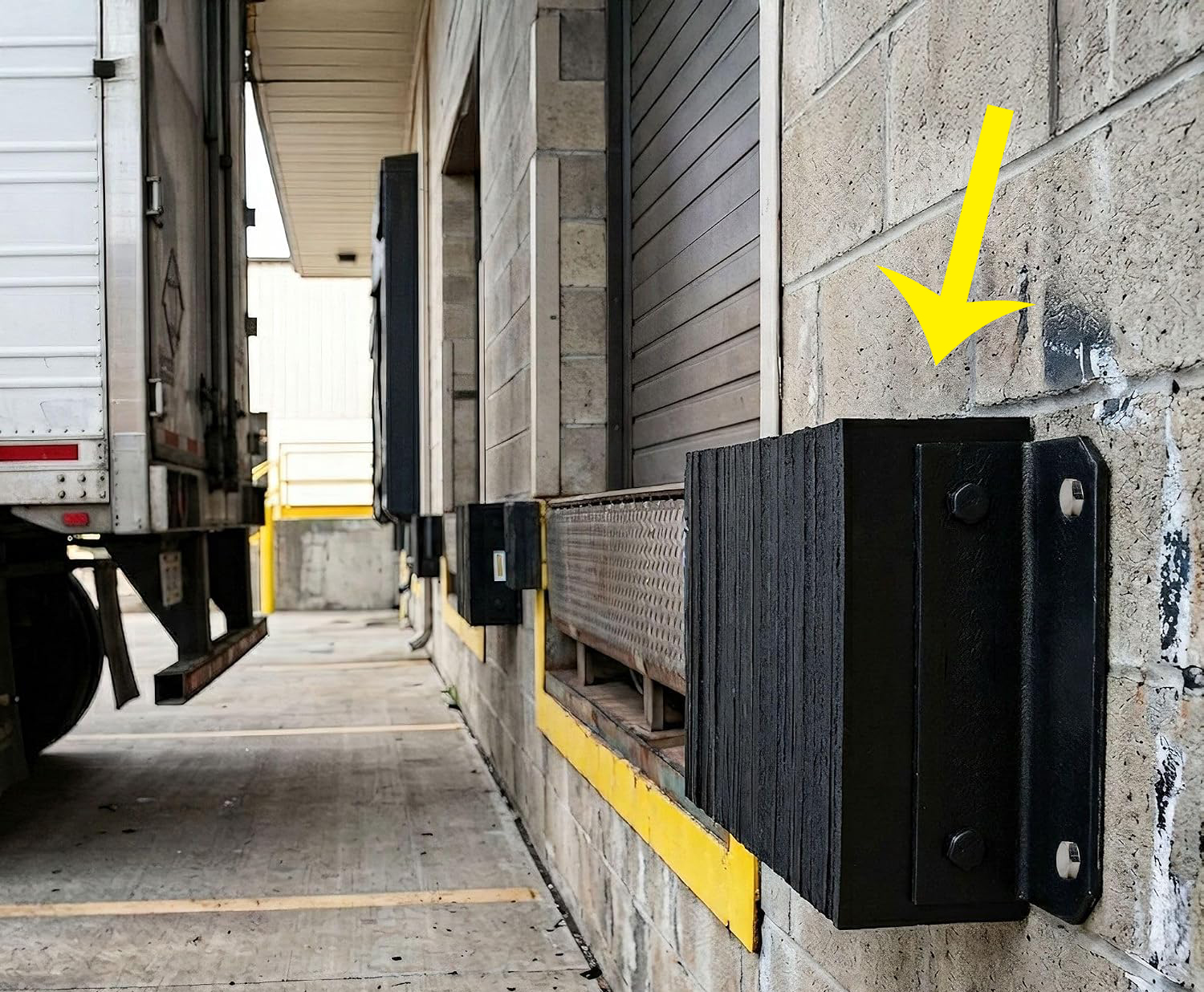 Rubber Laminated Loading Dock Bumper with Steel Angle: 5 Field Failure Signs That Point Back to the RFQ
 Bridge Bearing Pad Field Failure: 5 Visual Signs Before It Retires (And What Caused It)
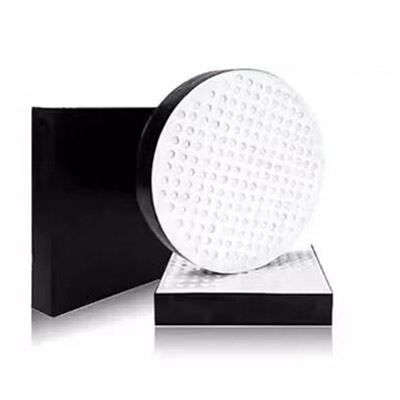 Bridge Bearing Pad RFQ Checklist: 9 Lines That Stop Suppliers From Subbing the Rubber
 Laminated Rubber Bearing: Maintenance and Inspection Protocols