A procurement comparison of rubber inflatable mandrels vs steel and wooden core forms for hollow concrete sections: cycle time, labor, quality consistency, and when the bag is the cheaper option.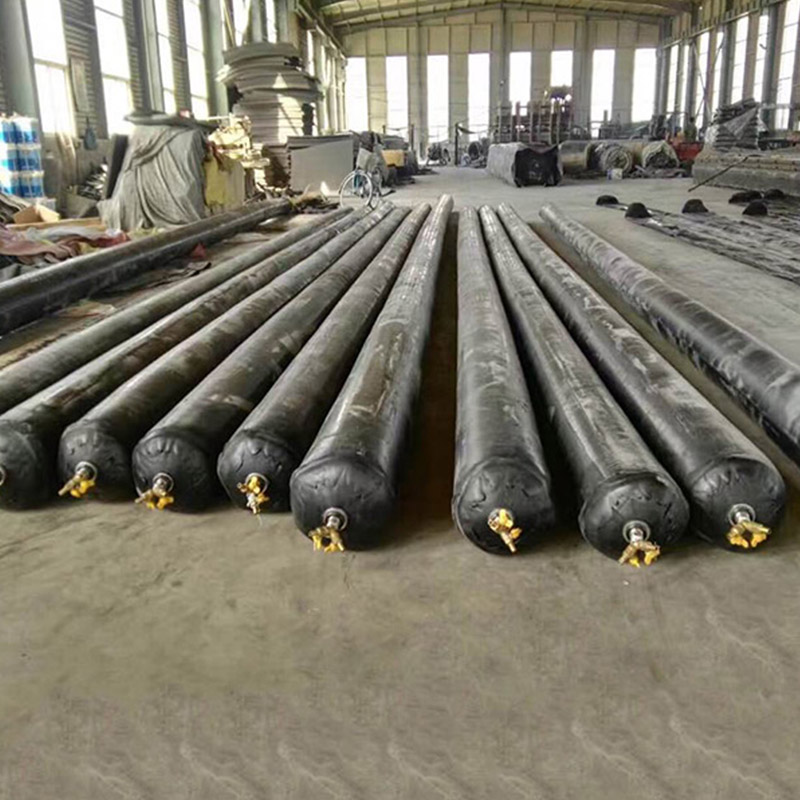
The question every precast manager asks once
Somewhere between the second and third project, every precast or bridge contractor asks the same thing: "Should we just buy a steel core form and be done with it?"
The steel form sits in the yard, looks permanent, and seems like the "real" solution. The rubber inflatable mandrel gets rolled up and stored in a box. It doesn't look like it should work.
But the decision is not about which one looks more solid in the yard. It is about cycle time, labor cost, stripping effort, and how many different section sizes you actually produce. Here is the comparison that matters.
But before comparing costs, it is worth reading how these bags actually behave on site — Rubber Inflatable Concrete Formwork: 5 Site Problems That Show Up After Demolding — because the failure patterns often decide which system is worth the money.
Steel core forms: the baseline
A steel core form is a rigid, reusable mold for the void in a hollow slab or culvert. It is heavy, precise, and expensive.
Where it wins:
- Very tight dimensional tolerance, job after job
- No pressure monitoring or inflation checks
- Long lifespan if stored properly
- Predictable surface finish on the inner void
Where it loses:
- Heavy: needs a crane or gantry for every strip and reset
- Stripping requires the concrete to reach enough strength to avoid sagging or edge damage — often 12 to 24 hours
- One size only: a different void dimension means a different steel form
- Sticking: if the form is not released properly, the strip becomes a hammering job
- Storage: takes up yard space and rusts if neglected
The hidden cost is the crane time and the 24-hour wait. For a long viaduct with many spans, that wait becomes the schedule.
Wooden core forms: the cheap trap
Wooden forms are still used on small jobs, one-off culverts, or site-built sections.
Where they win:
- Low material cost
- Can be built on site to match a custom dimension
- No long-term capital tied up
Where they lose:
- Single-use or very few uses
- Absorb water, swell, and distort the void shape
- Stripping is destructive: timber is pried out, leaving damaged edges
- Labor-heavy to build, strip, and dispose
- No consistent surface quality
Wooden forms are not a competitor to the rubber mandrel. They are a fallback for projects too small to justify any reusable system. The cost comparison only gets interesting when you look at steel vs rubber.
Rubber inflatable mandrel: the middle path
A rubber inflatable mandrel is a reinforced rubber bag that is inflated to form the void, then deflated and pulled out after the concrete has set.
Where it wins:
- Strips early: deflate and pull while the concrete is still green, often 4 to 8 hours after pour — no waiting for full strength
- Light: one or two workers handle the bag; no crane needed
- One bag, multiple lengths: cut or order to length; the same diameter bag works for different span lengths
- Storage: rolls up into a crate, not a yard fixture
- Custom diameters available without a full steel form investment
Where it loses:
- Needs pressure monitoring during the pour
- Buoyancy control is required — anti-float bars or ties
- Surface finish on the inner void is less precise than steel
- Bag lifespan depends on compound, storage, and handling
- Not ideal for very long continuous voids where the bag cannot be pulled without tearing
The real advantage is the strip time. On a multi-span bridge deck or a long culvert run, the rubber mandrel can be pulled in the same shift, while steel forms are still waiting for the concrete to reach stripping strength.
When the rubber bag actually saves money
The bag wins when all of these are true:
1. Multiple similar sections — same void diameter, different lengths. One bag diameter covers all of them.
2. Schedule is tight — stripping in 6 hours instead of 24 changes the whole pour cycle.
3. No crane on site for form handling — the bag is moved by hand.
4. Void is round or near-round — the bag's natural shape matches the section. Rectangular voids with sharp corners are a poor fit.
5. Yard space is limited — steel forms sit idle between pours; the bag rolls up.
When the bag loses
- Very long continuous voids (over 15–20 m) where extraction is risky
- Rectangular or square voids with sharp internal corners
- Projects with a permanent, dedicated steel form already in the yard
- Sections where the inner void tolerance is critical to the design (e.g., post-tensioning ducts)
A rough cost logic, not a price list
Steel forms are a capital purchase that pays off over many identical cycles. Rubber mandrels are a lower upfront cost with a per-job lifespan.
If you pour 10 identical spans with a crane available and no schedule pressure, steel may be cheaper per job.
If you pour 30 spans of varying length with the same void diameter, the rubber bag wins on strip time and labor alone.
If you pour 5 different void sizes, the rubber bag wins because you buy one bag per diameter instead of one steel form per diameter.
The breakeven is usually around 15 to 20 identical cycles, before considering the crane and the 24-hour wait. Below that, the bag is cheaper. Above that, steel starts to earn its keep — unless the schedule penalty outweighs the capital cost.
What to put in the RFQ for a rubber inflatable mandrel
"Working pressure table by diameter, with safety margin over max concrete lateral pressure."
"Reinforcement: rubber + nylon/polyester cord plies; ply count stated by diameter and pour height."
"Tensile strength ≥12 MPa, elongation at break ≥350%, rubber-to-fabric adhesion ≥8 N/25 mm."
"Seam: vulcanized, not glued patch; one-piece body preferred for round sections."
"Dimensional tolerance: inflated diameter ±10 mm or tighter per drawing."
"Compound: NR/neoprene/EPDM blend options by site condition; outdoor lots ozone-resistant."
"Release agent: water-based only; petroleum-based agents rejected."
"Factory test: inflate to working pressure, hold, log pressure decay before shipment."
"Marking: diameter, length, batch No., date, ply class, max working pressure on the bag end."
"Method statement support: supplier to advise anti-float scheme, pour stages, and deflation strength for the section."
The bottom line
A Rubber Inflatable Mandrel is not a replacement for steel forms. It is a different tool for a different schedule and cost profile.
Choose the bag when:
- the void is round or near-round
- the schedule rewards early stripping
- no crane is available for form handling
- multiple lengths share one diameter
Choose steel when:
- the section is rectangular with sharp corners
- the void is very long
- the project has a permanent, dedicated form
- dimensional tolerance on the inner void is critical
The RFQ lines above apply either way — because the cheapest form is the one that strips clean, and the most expensive is the one that waits 24 hours and still sticks.

 Rubber Inflatable Concrete Formwork: 5 Site Problems That Show Up After Demolding
 Successful Participation in WindEnergy Hamburg 2026
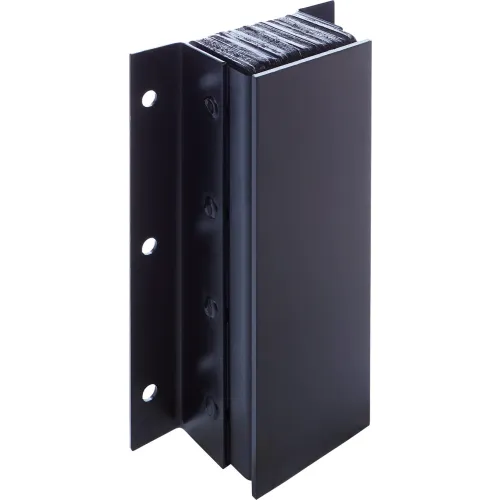 Steel-Faced Laminated Rubber Bumper: 5 Field Problems Buyers Keep Finding After Installation
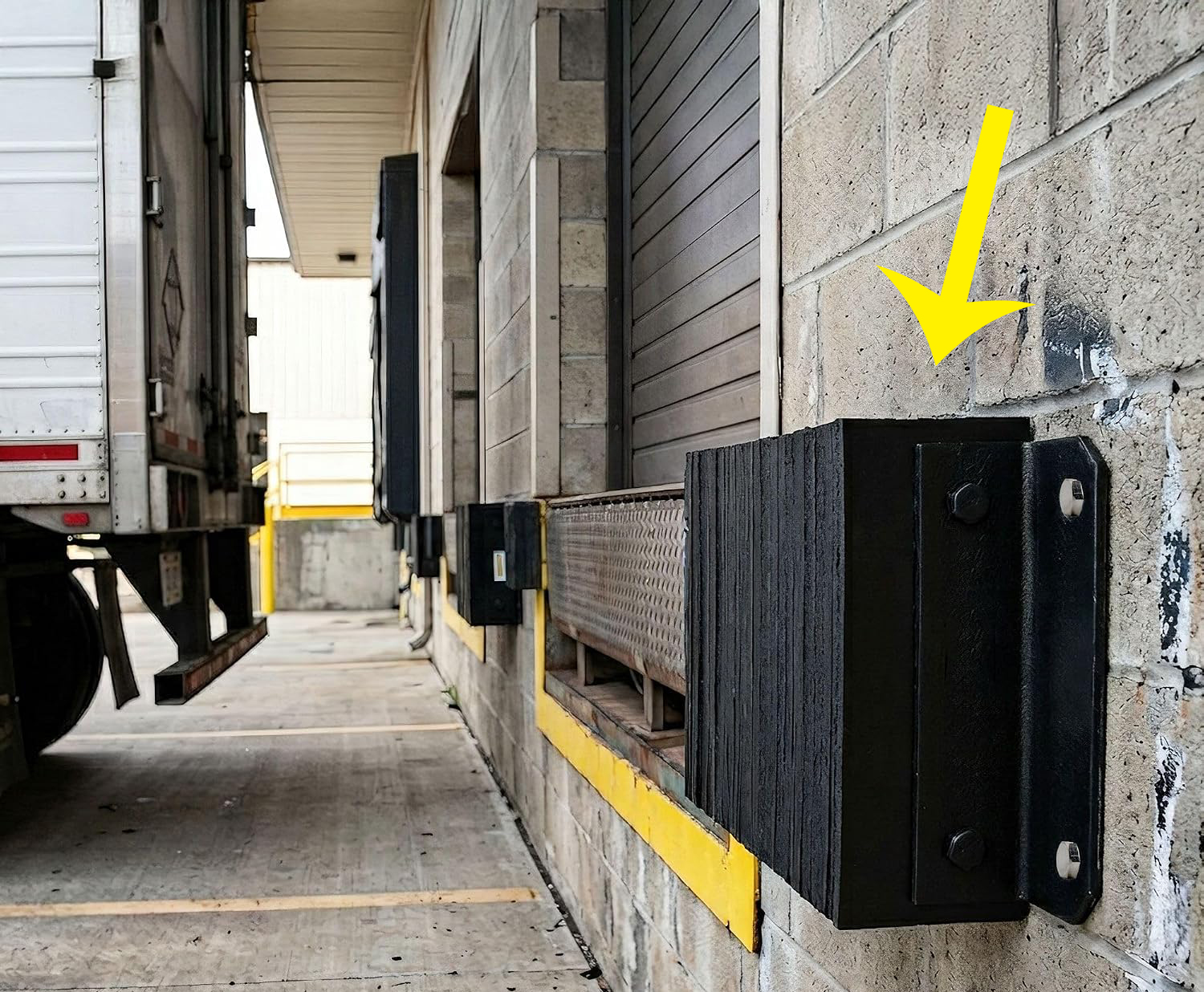 Rubber Laminated Loading Dock Bumper with Steel Angle: 5 Field Failure Signs That Point Back to the RFQ
