
Rubber plugs are essential components in various industries, serving as sealing devices to prevent leakage and maintain the integrity of systems. However, like any other mechanical part, rubber plugs can fail due to a multitude of factors. Understanding the root causes of these failures is crucial for improving design, material selection, and operational conditions. This article delves into the key factors contributing to rubber plug failures, focusing on material factors, usage environmental factors, and design and manufacturing factors.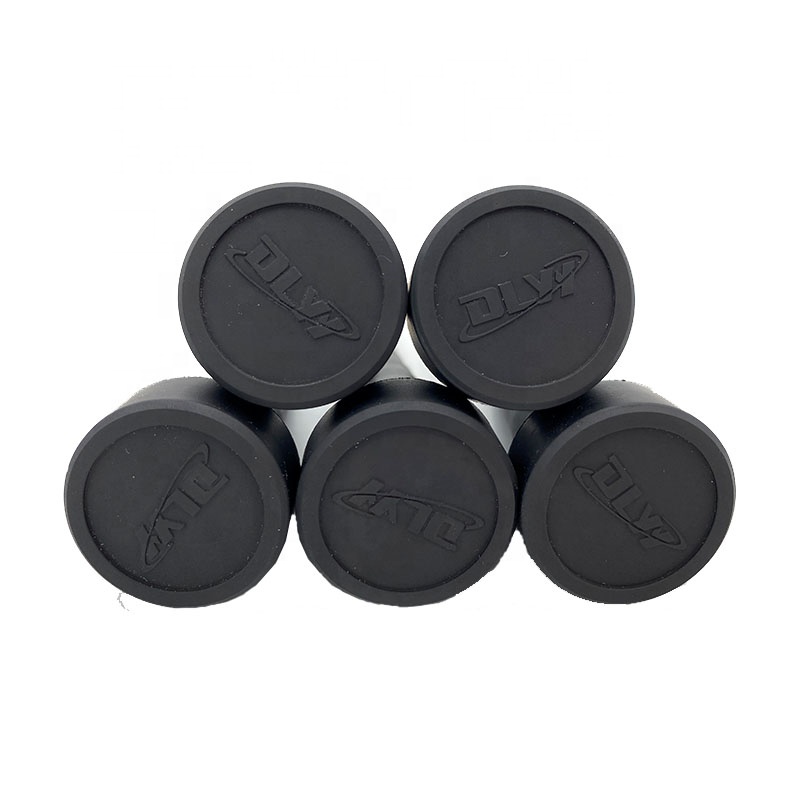
Material Factors
The quality of rubber is a fundamental determinant of a rubber plug's performance. Deficiencies in the rubber material itself, such as insufficient purity or the presence of impurities, can significantly impair the plug's durability. Inferior rubber may exhibit accelerated aging, deformation, or other issues when subjected to certain pressures or chemical exposures. This deterioration can lead to premature failure of the rubber plug, compromising its sealing capabilities.
The purity of rubber is critical because impurities can act as stress concentrators, weakening the material's structure. These impurities may include particles of foreign substances introduced during the manufacturing process or contaminants present in the raw materials. When subjected to mechanical stress or chemical attack, these weakened areas can become the starting points for cracks or complete failures.
Furthermore, the chemical composition of the rubber plays a vital role in its resistance to degradation. Different rubber compounds have varying levels of resistance to chemicals, temperatures, and pressures. Selecting the appropriate rubber compound for a specific application is therefore essential to ensure the plug's longevity and reliability. For instance, using a rubber compound with low chemical resistance in an environment where it is exposed to corrosive substances can lead to rapid deterioration and failure.
Usage Environmental Factors
The environment in which a rubber plug operates significantly influences its performance and lifespan. Chemical and physical environments are two primary aspects that can contribute to rubber plug failures.
Chemical Environment
In environments where rubber plugs are exposed to chemicals, the risk of chemical reactions and corrosion increases. Strong acids, bases, or organic solvents can interact with the rubber material, causing it to degrade. This degradation can manifest as changes in the rubber's physical properties, such as hardness, elasticity, or color. In severe cases, the rubber may completely disintegrate, leading to loss of sealing capability and potential leakage.
The severity of chemical attack on rubber plugs depends on several factors, including the concentration of the chemicals, the duration of exposure, and the temperature. Higher concentrations and prolonged exposure generally accelerate the degradation process. Additionally, elevated temperatures can enhance the reactivity of chemicals, making the rubber more susceptible to damage.
To mitigate the effects of chemical exposure, it is crucial to select rubber compounds that are resistant to the specific chemicals present in the operating environment. This selection process should involve a thorough understanding of the chemical properties of both the rubber and the substances it will encounter.
Physical Environment
Temperature and pressure fluctuations are two critical physical factors that can affect rubber plugs. In high-temperature environments, rubber can soften, deform, or even melt, compromising its sealing ability. Conversely, in low-temperature conditions, rubber can become hard and brittle, increasing the likelihood of cracks forming.
Pressure variations also play a significant role in rubber plug performance. Excessive pressure can exceed the rubber's tensile strength, causing it to rupture. On the other hand, insufficient pressure may prevent the rubber plug from maintaining a tight seal, leading to leakage.
Design and Manufacturing Factors
In addition to material and environmental factors, design and manufacturing defects can also contribute to rubber plug failures.
Size Design
The size of a rubber plug must be carefully designed to match the container or equipment it is intended for. A plug that is too small may fail to provide an adequate seal, while one that is too large can be difficult to install and may sustain damage during the installation process.
Proper sizing involves considering both the outer diameter of the plug and its length. An ill-fitting plug can create gaps that allow fluids or gases to escape, defeating the purpose of the seal. Furthermore, a plug that is too tight can cause excessive stress on the rubber material, leading to premature wear or failure.
Manufacturing Process Defects
The manufacturing process of rubber plugs is another critical area where defects can arise. One common issue is improper vulcanization, which affects the rubber's cross-linking density. Vulcanization is a chemical process that enhances rubber's elasticity, strength, and resistance to wear.
Insufficient vulcanization can result in a rubber plug that is too elastic and prone to deformation under pressure. Conversely, over-vulcanization can make the rubber brittle and more susceptible to cracking or breaking. Either scenario can lead to premature failure of the rubber plug and potential system leakage.
To ensure the quality of rubber plugs, manufacturers must carefully control the vulcanization process, monitoring factors such as temperature, pressure, and time. Consistent quality control measures, such as visual inspections and mechanical testing, can help identify and reject defective plugs before they are put into service.
Rubber plug failures can have significant consequences for the systems they are designed to protect. Understanding the factors that contribute to these failures is essential for improving the reliability and lifespan of rubber plugs. Material factors, such as rubber quality and chemical composition, play a crucial role in determining a plug's durability. Usage environmental factors, including chemical exposure and temperature/pressure fluctuations, can accelerate degradation and compromise sealing performance. Finally, design and manufacturing defects, such as improper sizing and vulcanization issues, can lead to premature failures.
By addressing these factors through careful material selection, environmental assessments, and rigorous design and manufacturing processes, the risk of rubber plug failures can be significantly reduced. This, in turn, can enhance the overall safety and efficiency of the systems that rely on these critical sealing components.
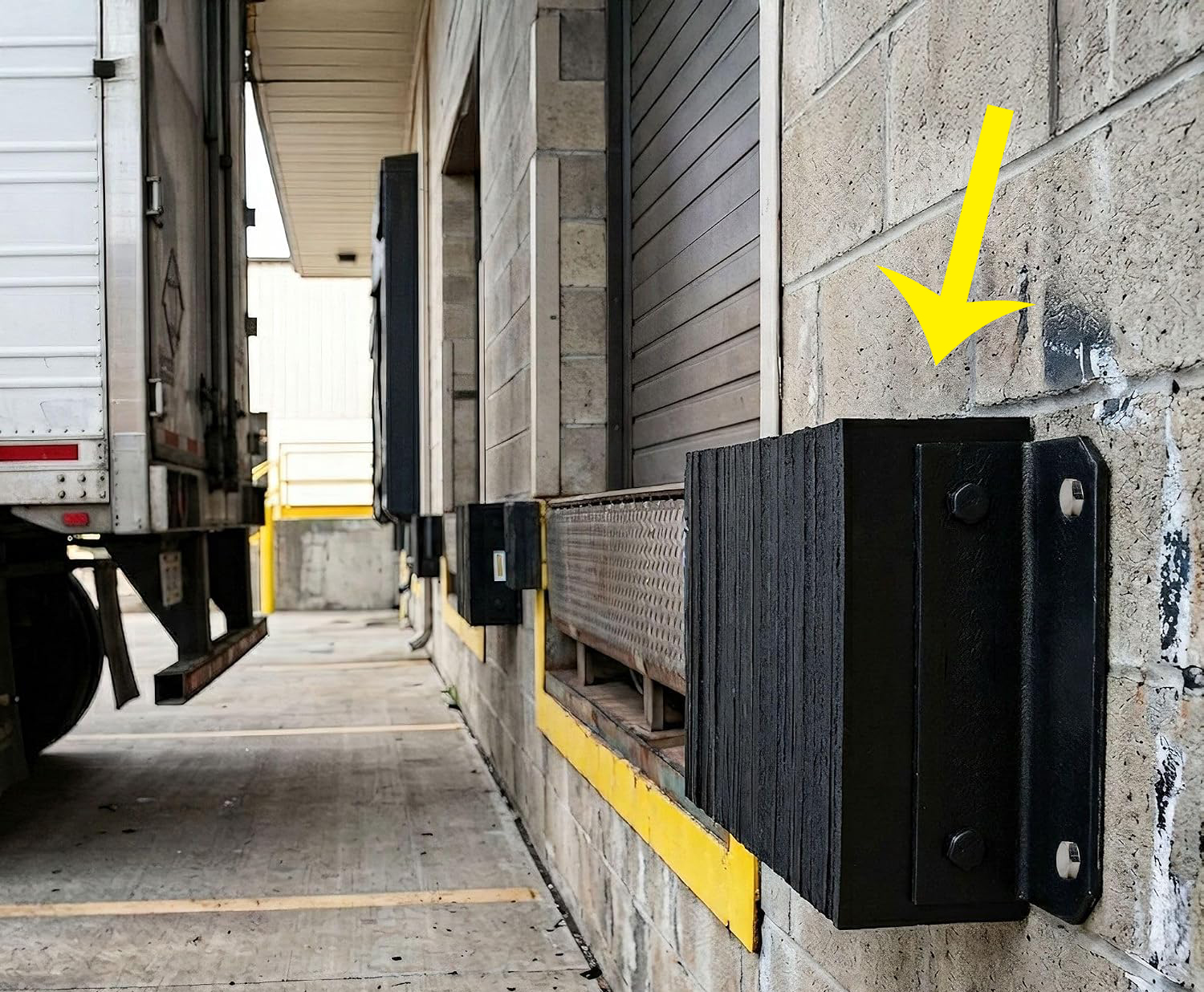 Rubber Laminated Loading Dock Bumper with Steel Angle: 5 Field Failure Signs That Point Back to the RFQ
 Bridge Bearing Pad Field Failure: 5 Visual Signs Before It Retires (And What Caused It)
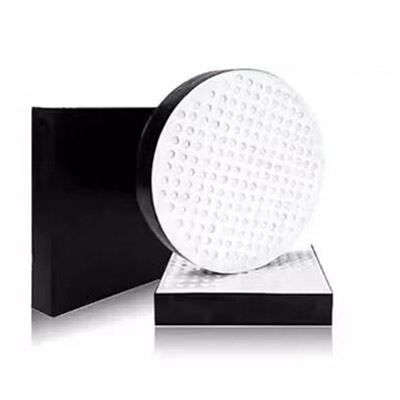 Bridge Bearing Pad RFQ Checklist: 9 Lines That Stop Suppliers From Subbing the Rubber
 Laminated Rubber Bearing: Maintenance and Inspection Protocols