
In the vast realm of industrial applications, rubber plugs serve as essential components for sealing, protecting, and isolating various systems. Their versatility and reliability hinge largely on the material properties chosen for their manufacture. Understanding these properties is crucial for selecting the most appropriate rubber plug for a given application. This guide delves into the material properties of rubber plugs, exploring the intricacies that make each type suitable for specific uses.
1. Introduction to Rubber Plug Materials
Rubber plugs are employed across numerous industries, including automotive, aerospace, plumbing, electrical, and medical. They come in various shapes, sizes, and compositions tailored to meet specific requirements. The choice of rubber material is influenced by factors such as temperature resistance, chemical compatibility, durability, flexibility, and cost.
2. Natural Rubber (NR)
Natural rubber, derived from the latex of rubber trees, has been a staple in the rubber industry for centuries. Its properties make it an excellent choice for many sealing applications.
Elasticity and Flexibility: Natural rubber exhibits high elasticity and flexibility, allowing it to conform to irregular surfaces and withstand deformation without permanent set.
Temperature Resistance: It performs well within a temperature range of approximately -50°C to +80°C. Below these temperatures, it becomes brittle, while above, it may soften and lose its sealing properties.
Chemical Resistance: Natural rubber is resistant to moderate acids, alkalis, and salt solutions but is susceptible to oils, greases, and solvents.
Abrasion Resistance: It has good abrasion resistance, making it suitable for applications involving friction.
3. Synthetic Rubbers
Synthetic rubbers, developed as alternatives and supplements to natural rubber, offer a broader range of properties tailored to specific needs.
Styrene-Butadiene Rubber (SBR):
Elasticity: SBR is highly elastic, suitable for applications requiring significant deformation.
Temperature Range: It operates effectively between -55°C and +100°C.
Chemical Compatibility: Resistant to diluted acids and alkalis but vulnerable to oils, greases, and aromatic solvents.
Cost: Generally less expensive than natural rubber, making it a cost-effective option.
Ethylene Propylene Diene Monomer (EPDM):
Ozone and Weather Resistance: EPDM excels in outdoor applications due to its resistance to ozone, UV radiation, and weathering.
Temperature Range: Operates between -50°C and +125°C, making it suitable for extreme temperature environments.
Chemical Compatibility: Resistant to acids, alkalis, alcohols, and ketones but not resistant to aromatic and aliphatic hydrocarbons.
Steam Resistance: Excellent steam resistance makes it ideal for plumbing and steam systems.
Nitrile Rubber (NBR):
Oil Resistance: Nitrile rubber is noted for its resistance to oils, greases, and fuels, making it ideal for automotive and industrial applications.
Temperature Range: Effective within -40°C to +100°C.
Chemical Compatibility: Resistant to a wide range of chemicals except for strong oxidizers and aromatic solvents.
Abrasion Resistance: High abrasion resistance enhances durability in harsh environments.
Silicone Rubber (SI):
Temperature Resistance: Silicone rubber operates over an extremely wide temperature range (-60°C to +200°C), making it suitable for high-temperature applications.
Chemical Inertness: Highly inert to most chemicals, including acids, bases, and oxidants.
Electrical Properties: Excellent electrical insulation properties make it ideal for electrical applications.
Low Compressibility Set: Maintains sealing pressure over time, reducing the need for frequent replacement.
Viton®-like Fluoroelastomers (FKM/FPM):
High-Temperature Resistance: Capable of operating continuously at temperatures up to +200°C and short-term exposure to +250°C.
Chemical Compatibility: Resistant to a broad spectrum of chemicals, including fuels, oils, acids, bases, and solvents.
Steam and Hot Water Resistance: Excellent resistance to steam and hot water.
Cost: Generally more expensive due to its superior properties.
Polyurethane Rubber (PU):
Versatility: Polyurethane offers a wide range of hardnesses, from very soft to extremely hard, allowing for tailored applications.
Tear Strength: High tear strength makes it suitable for applications involving high stress and strain.
Abrasion Resistance: Excellent abrasion resistance, particularly in harder grades.
Temperature Range: Typically operates between -40°C to +80°C, with some special formulations extending these limits.
4. Thermoplastic Elastomers (TPEs)
Thermoplastic elastomers combine the elasticity of rubber with the processability of thermoplastics, offering unique advantages.
Thermoplastic Olefin (TPO):
Processability: Easy to process via injection molding, extrusion, and blow molding.
Cost-Effective: Generally lower in cost compared to traditional rubbers.
Weather Resistance: Good resistance to UV radiation and ozone.
Temperature Range: Operates within -40°C to +100°C.
Thermoplastic Vulcanizates (TPVs):
Elastic Recovery: High elastic recovery after deformation.
Durability: Excellent durability and resistance to chemicals, oils, and greases.
Temperature Range: Can operate continuously at temperatures up to +120°C.
Recyclability: Thermoplastic nature allows for recycling and reprocessing.
Styrene-Ethylene-Butylene-Styrene (SEBS):
Soft Touch: Provides a soft, tacky feel suitable for grips and seals.
Chemical Resistance: Resistant to many chemicals, including acids, bases, and alcohols.
Temperature Range: Typically operates between -50°C to +80°C.
UV Resistance: Good resistance to UV radiation.
5. Considerations for Material Selection
When selecting a rubber material for a plug, several factors must be considered to ensure optimal performance:
Application Environment: Evaluate the temperature range, chemical exposure, and physical stress the plug will encounter.
Sealing Requirements: Determine the pressure, vacuum, and fluid compatibility needed for effective sealing.
Durability: Consider the expected lifespan and maintenance requirements of the plug.
Cost: Balance material cost with the overall cost of the application, including downtime and replacement costs.
Regulatory Compliance: Ensure the material complies with any industry-specific regulations or standards.
6. Customization and Fabrication
Rubber plugs can be customized to meet specific needs through various fabrication techniques:
Molding: Injection molding, compression molding, and transfer molding are commonly used to produce plugs with precise dimensions and shapes.
Extrusion: Suitable for producing long, continuous profiles that can be cut to length.
Lathe Cutting: For producing complex, custom shapes and sizes.
Adhesive Bonding: Attaching additional components or layers to enhance functionality.
Rubber plugs are indispensable in numerous industries, serving critical sealing functions. The material properties of the rubber used significantly impact the plug's performance, durability, and suitability for specific applications. By understanding the characteristics of various rubber types—from natural rubber to synthetic elastomers and thermoplastic elastomers—engineers and designers can select the optimal material for their sealing needs. Consideration of application environment, sealing requirements, durability, cost, and regulatory compliance ensures that the chosen rubber plug will meet or exceed expectations, contributing to the overall success of the application.
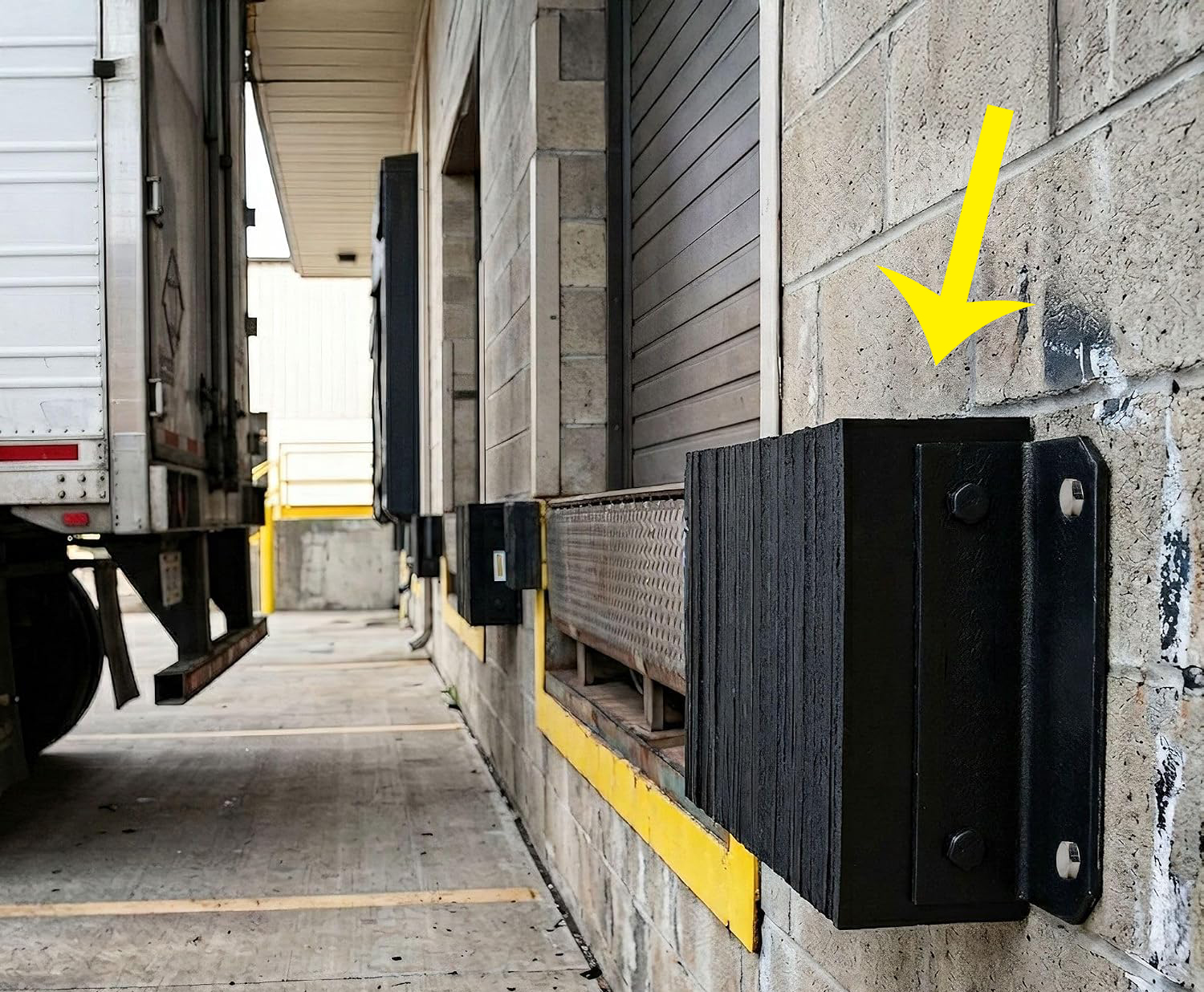 Rubber Laminated Loading Dock Bumper with Steel Angle: 5 Field Failure Signs That Point Back to the RFQ
 Bridge Bearing Pad Field Failure: 5 Visual Signs Before It Retires (And What Caused It)
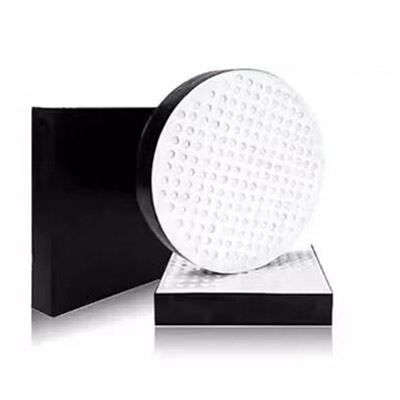 Bridge Bearing Pad RFQ Checklist: 9 Lines That Stop Suppliers From Subbing the Rubber
 Laminated Rubber Bearing: Maintenance and Inspection Protocols