
In the realm of industrial applications, rubber plugs play a crucial role in sealing, protecting, and ensuring the integrity of various systems. From automotive components to fluid handling systems, these seemingly simple devices are engineered to withstand a multitude of environmental and operational stresses. Understanding the durability of rubber plugs is essential for ensuring the reliability and longevity of the systems they serve. This article delves into the intricacies of rubber plug durability, exploring the factors that influence it, the testing methods employed, and strategies for enhancing durability.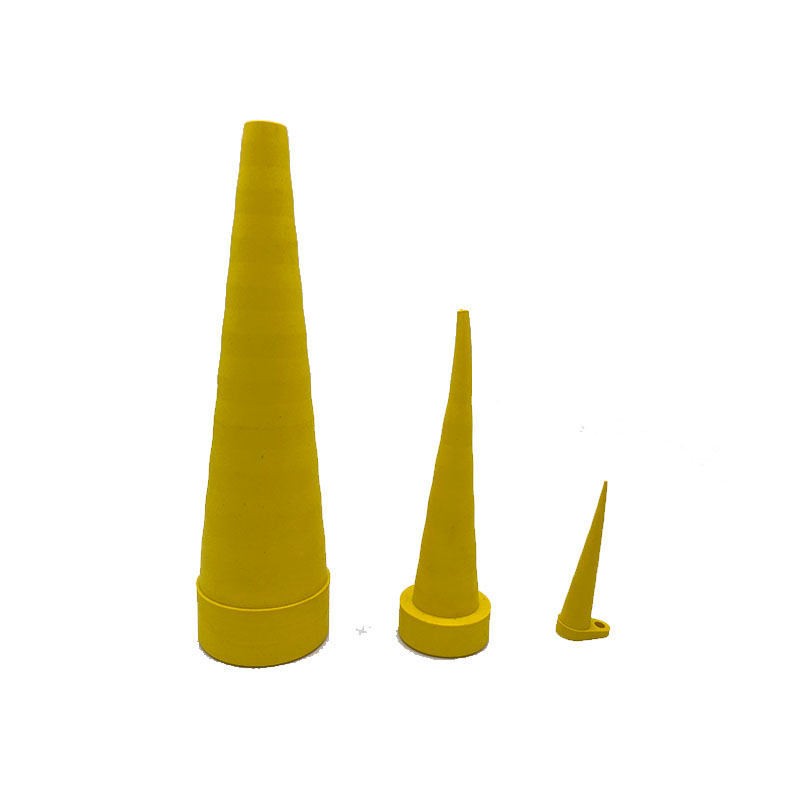
Introduction to Rubber Plugs
Rubber plugs are versatile components used across industries for sealing openings in housings, containers, or assemblies. They prevent the ingress of contaminants and the egress of fluids, gases, or other media. Made from various elastomers, these plugs offer a range of properties such as flexibility, resilience, chemical resistance, and temperature tolerance. The choice of elastomer, design, and manufacturing process significantly impact the durability and performance of rubber plugs.
Factors Influencing Durability
Durability in rubber plugs is a multifaceted concept that encompasses resistance to wear, tear, aging, and environmental degradation. Several factors contribute to this resilience:
1. Material Composition
The base elastomer is the cornerstone of a rubber plug's durability. Common elastomers include natural rubber, synthetic rubber (e.g., styrene-butadiene rubber, nitrile rubber), silicone, and fluoroelastomers. Each material brings unique properties:
Natural Rubber: Known for its excellent elasticity and tear resistance.
Synthetic Rubbers: Offer varied chemical resistances and temperature ranges.
Silicone: Resistant to extreme temperatures and has good electrical insulation properties.
Fluoroelastomers: Highly resistant to chemicals and oils.
Fillers, curatives, and additives further modify the elastomer's properties. Reinforcing fillers like carbon black enhance strength and wear resistance, while antioxidants and UV stabilizers prolong the material's lifespan by protecting against environmental degradation.
2. Design and Geometry
The design of a rubber plug, including its shape, size, and features like ribbing or undercuts, influences its durability. A well-designed plug distributes stresses evenly, reducing the likelihood of premature failure. Features such as sealing lips or O-rings can enhance sealing performance and durability under pressure.
3. Manufacturing Process
The manufacturing method, whether molding, extrusion, or die-cutting, affects the plug's microstructure and, consequently, its durability. Proper curing ensures complete crosslinking of the elastomer, vital for optimal mechanical properties. Defects introduced during manufacturing, such as porosity or inclusions, can weaken the plug and shorten its lifespan.
4. Operating Environment
The operating environment poses various challenges to rubber plugs. Temperature fluctuations can cause thermal expansion and contraction, leading to stress cracking. Exposure to chemicals, oils, or solvents may degrade the elastomer over time. Mechanical stress, such as vibration or repeated insertion and removal, can accelerate wear and tear.
Testing Methods for Durability
Assessing the durability of rubber plugs involves a combination of laboratory tests and real-world simulations. These tests help manufacturers predict a plug's lifespan and identify potential failure points.
1. Tensile Strength and Elongation Tests
These fundamental tests measure a material's resistance to breaking under tension and its ability to stretch without permanent deformation. High tensile strength and elongation indicate better durability.
2. Tear Resistance Tests
Tear tests evaluate the material's resistance to propagating a cut or nick. Methods like the trouser tear test or the crescent tear test simulate tearing forces to assess a plug's ability to withstand accidental damage.
3. Compression Set Tests
Compression set measures the permanent deformation that occurs when a rubber plug is compressed for an extended period. A lower compression set indicates better resilience and ability to recover its original shape.
4. Accelerated Aging Tests
These tests expose rubber plugs to elevated temperatures, humidity, and sometimes UV radiation to simulate prolonged exposure to harsh environments. Changes in physical properties, such as hardness or elongation, provide insights into the material's long-term durability.
5. Fluid Compatibility Tests
Testing the plug's material in contact with specific fluids helps assess its chemical resistance. Swelling, softening, or hardening of the elastomer are indicators of compatibility issues.
6. Dynamic Fatigue Tests
These tests simulate the repeated stress cycles a rubber plug might experience in use, such as vibration or cyclic loading. Failure analysis post-testing can reveal the modes of failure, guiding design improvements.
Strategies for Enhancing Durability
Enhancing the durability of rubber plugs involves a holistic approach, encompassing material selection, design optimization, and robust manufacturing practices.
1. Material Selection and Formulation
Choosing the right elastomer for the application is critical. Consider factors such as operating temperature, exposure to chemicals, and mechanical stress. Formulating with high-quality base polymers and appropriate additives can significantly boost durability. For example, incorporating nano-fillers can enhance mechanical properties without compromising flexibility.
2. Design Optimization
Designing rubber plugs with stress-reducing features like chamfers, radii, and ribbing can distribute forces more evenly. Finite element analysis (FEA) can predict stress concentrations and guide design modifications for improved durability.
3. Advanced Manufacturing Techniques
Adopting advanced manufacturing techniques, such as injection molding with precision temperature control, can ensure consistent material properties and reduce defects. Post-molding treatments, like surface coating or plasma treatment, can enhance sealing performance and resistance to environmental degradation.
4. Condition Monitoring and Maintenance
Regular inspection and maintenance of rubber plugs can detect and mitigate potential failure points before they lead to system downtime. Implementing condition monitoring systems that track wear indicators can inform predictive maintenance schedules.
5. Collaborative Development
Engaging in collaborative development with end-users and material suppliers can foster innovation. Understanding specific application challenges and leveraging suppliers' expertise in elastomer technology can lead to tailored solutions with enhanced durability.
Rubber plugs, though often overlooked, are indispensable components in numerous industrial applications. Their durability is a critical factor determining the reliability and efficiency of the systems they serve. By understanding the interplay of material composition, design, manufacturing processes, and operating environments, manufacturers can develop rubber plugs that withstand the rigors of diverse applications. Continuous advancements in material science, design optimization, and manufacturing techniques offer promising avenues for enhancing durability. By adopting a holistic approach and fostering collaboration, the industry can drive innovation in rubber plug technology, ensuring the resilience and performance of critical sealing solutions.
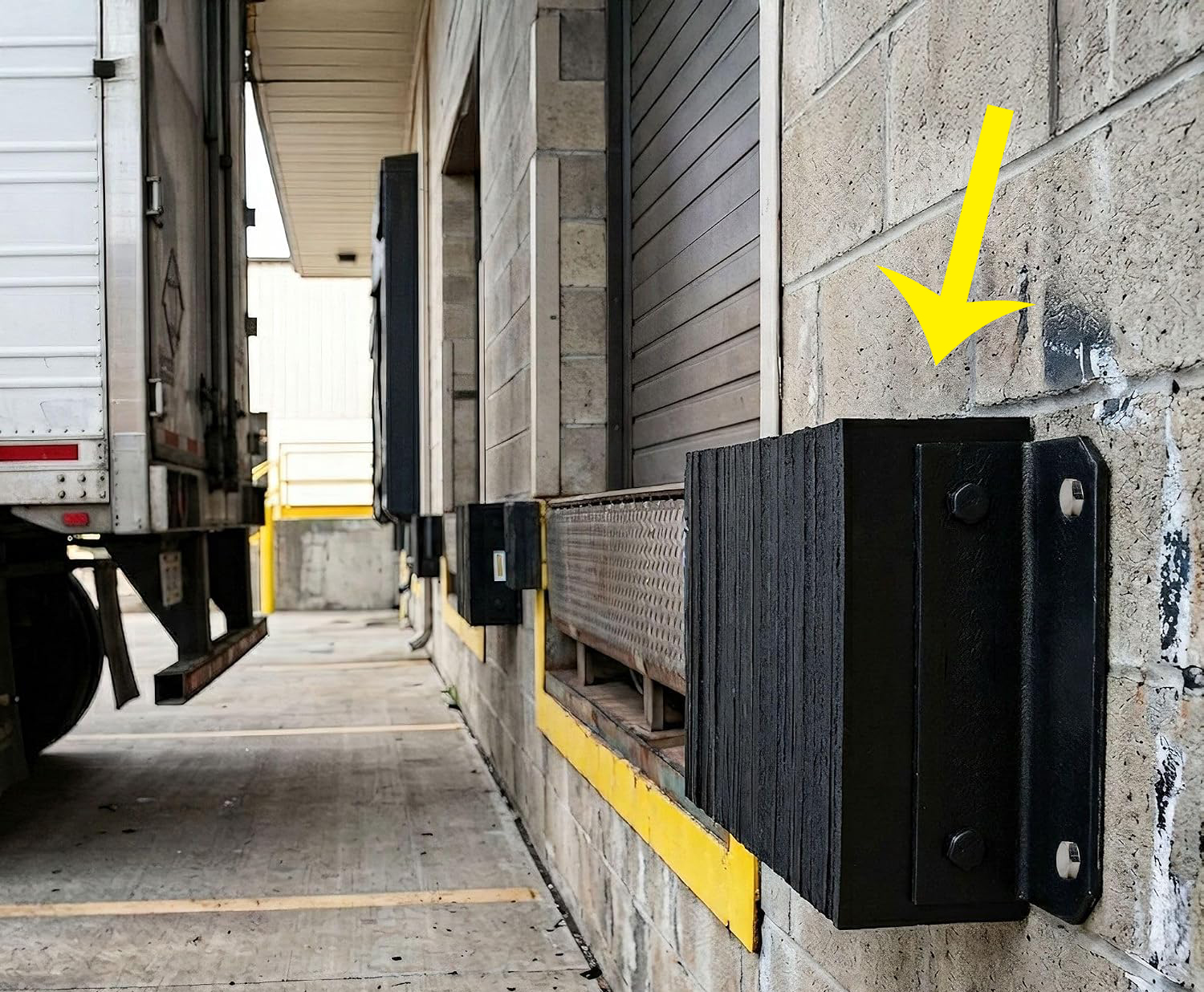 Rubber Laminated Loading Dock Bumper with Steel Angle: 5 Field Failure Signs That Point Back to the RFQ
 Bridge Bearing Pad Field Failure: 5 Visual Signs Before It Retires (And What Caused It)
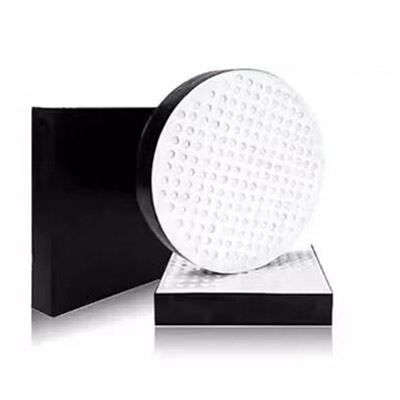 Bridge Bearing Pad RFQ Checklist: 9 Lines That Stop Suppliers From Subbing the Rubber
 Laminated Rubber Bearing: Maintenance and Inspection Protocols