
Hydraulic systems stand as indispensable mechanisms in a multitude of industries, harnessing the pressure energy of oil to facilitate mechanical operations through an array of control elements. These sophisticated systems are composed of five primary components: power elements, actuating elements, control elements, auxiliary components, and hydraulic fluid. The classification of these systems can be bifurcated into hydraulic transmission systems, which concentrate on the transfer of power and motion, and hydraulic control systems, which are tailored to ensure the system adheres to specific performance benchmarks, particularly those of a dynamic nature.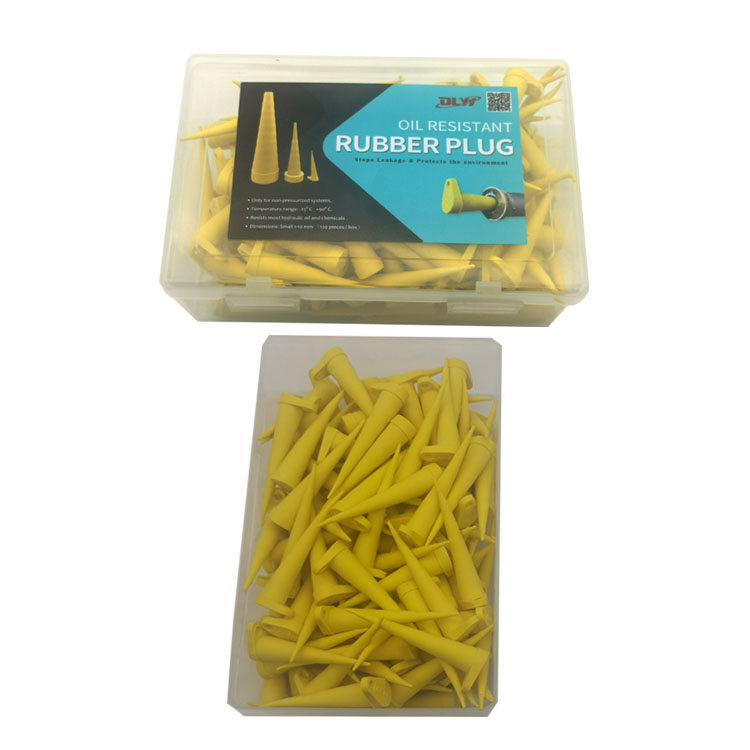
The Pivotal Role of Rubber Plugs in Hydraulic Systems
Within the realm of hydraulic systems, rubber plugs emerge as a critical component owing to their exceptional sealing capabilities. These unassuming yet indispensable elements are instrumental in preventing leaks and preserving the integrity of the system, factors that are paramount for sustaining efficiency and safety.
Sealing Proficiencies of Rubber Plugs
Rubber plugs are meticulously engineered to provide sealing for various constituents of hydraulic systems, including oil reservoir filler holes. These plugs are commonly fabricated from silicone rubber, EPDM (ethylene propylene diene monomer), NBR (nitrile butadiene rubber), or NR (natural rubber), thereby guaranteeing their ability to endure elevated temperatures and a spectrum of hydraulic pressures. The material selection is crucial as it directly influences the plug's resistance to wear, tear, and the harsh conditions often encountered in hydraulic applications.
Tailored Rubber Plug Solutions: Meeting Diverse Needs
Given the unique requirements of different hydraulic systems, customized rubber plug solutions are readily available. This customization encompasses the shape, material composition, and certification of the plugs to align with industry standards and safety protocols. For instance, certain applications may necessitate RoHS (Restriction of Hazardous Substances) compliance, ensuring that the plugs do not contain harmful substances that could pose environmental or health risks.
Market Landscape and Guidelines for Selection
The market is replete with a variety of rubber plug solutions, enabling users to select the most appropriate option based on their specific needs. When embarking on the selection process, several factors warrant careful consideration:
Material and Quality Considerations
Material: It is imperative to choose a material that can withstand the prevailing hydraulic pressure and temperature conditions of the intended application. For example, silicone rubber is favored for its high-temperature resistance, while NBR is known for its oil resistance.
Quality: Ensuring that the product meets industry standards and possesses the necessary certifications is non-negotiable. This not only guarantees the reliability of the plug but also mitigates potential risks associated with substandard components.
Customization Options
Shape: Custom shapes can be meticulously designed to cater to specific applications, ensuring a perfect fit and optimal sealing performance.
Certifications: Verifying that the product complies with pertinent safety and quality standards is crucial. This may include certifications related to environmental compliance, durability, and performance under extreme conditions.
Delivery Time and Cost Implications
Delivery Time: The lead time required for manufacturing and delivery is an important consideration, especially for projects with tight deadlines. Opting for a supplier with a streamlined production process and efficient logistics can significantly expedite the procurement process.
Cost: Balancing cost with the quality and reliability of the product is essential. While it may be tempting to opt for a cheaper alternative, the long-term benefits of a durable, high-quality rubber plug often outweigh the initial cost savings.
Illustrative Examples of Rubber Plug Applications
Hydraulic Jacks
Rubber plugs are extensively utilized in hydraulic jacks to seal the oil reservoir filler hole. This sealing function is vital for preventing leaks and ensuring the safe and efficient operation of the jack. The reliability of the rubber plug in this application directly impacts the performance and longevity of the hydraulic jack.
High-Temperature Applications
In scenarios where hydraulic systems are subjected to high temperatures, silicone rubber plugs are the recommended choice. This preference stems from their exceptional heat resistance and sealing properties, which enable them to maintain their integrity and performance even under extreme thermal conditions.
Additional Applications
Beyond hydraulic jacks and high-temperature environments, rubber plugs find application in various other hydraulic systems. For instance, they are used in valves, pumps, and cylinders to prevent fluid leakage and maintain system pressure. In each of these applications, the specific attributes of the rubber plug, such as its material composition and shape, are tailored to meet the unique requirements of the system.
The Road Ahead: Innovations and Advancements in Rubber Plug Technology
As technology continues to evolve, so too does the field of rubber plug solutions for hydraulic systems. Innovations in material science are leading to the development of new rubber compounds that offer enhanced durability, resistance to extreme conditions, and improved sealing capabilities. Furthermore, advancements in manufacturing processes are enabling the production of rubber plugs with tighter tolerances and more complex shapes, further expanding their range of applications.
In addition to material and manufacturing innovations, the integration of smart technologies is also beginning to influence the design and functionality of rubber plugs. For example, the incorporation of sensors within rubber plugs could provide real-time monitoring of system pressure and temperature, allowing for proactive maintenance and the prevention of potential failures.
Rubber plugs are a fundamental component in the reliable and efficient operation of hydraulic systems. Their ability to provide effective sealing, coupled with the option for customization to meet specific application requirements, makes them an indispensable element in the design and maintenance of these systems.
When selecting a rubber plug solution for a hydraulic system, it is crucial to consider the material, quality, customization options, delivery time, and cost. By carefully evaluating these factors and opting for a high-quality, reliable rubber plug, users can optimize the performance, safety, and longevity of their hydraulic systems.
As the field of hydraulic systems continues to advance, the role of rubber plugs will remain pivotal. Through ongoing innovations in material science, manufacturing processes, and smart technologies, rubber plugs will continue to evolve, further enhancing their contribution to the efficiency and reliability of hydraulic systems across a diverse range of industries.
 Rubber Laminated Loading Dock Bumper with Steel Angle: 5 Field Failure Signs That Point Back to the RFQ
 Bridge Bearing Pad Field Failure: 5 Visual Signs Before It Retires (And What Caused It)
 Bridge Bearing Pad RFQ Checklist: 9 Lines That Stop Suppliers From Subbing the Rubber
 Laminated Rubber Bearing: Maintenance and Inspection Protocols