
Stress relaxation is a fascinating phenomenon exhibited by polymer materials, particularly relevant in the context of rubber plugs. This process involves the gradual decrease in internal stress within a material over time when it is subjected to constant deformation at a fixed temperature. In this comprehensive exploration, we delve into the intricacies of rubber plug stress relaxation, examining its definition, basic principles, mechanisms, applications, design considerations, influencing factors, testing methods, and the utility of stress relaxation data in product development and quality control.
Definition and Basic Principles
Stress relaxation is an inherent characteristic of polymers, stemming from their unique molecular structure. When a polymer material, such as a rubber plug, is subjected to a constant deformation, the internal stress within it does not remain static. Instead, it undergoes a reduction over time. This reduction in stress is attributed to the reorganization of polymer chains and molecular slip. As the polymer chains rearrange and slide past each other, the force required to maintain the deformation gradually diminishes. This phenomenon is closely tied to the viscoelastic nature of polymers, which enables them to both store and dissipate energy, thereby contributing to the relaxation process.
Stress Relaxation Mechanisms
To gain a deeper understanding of stress relaxation in rubber plugs, it is essential to explore the underlying mechanisms. One primary mechanism is molecular chain rearrangement and sliding. Over time, the polymer chains within the rubber plug reorganize themselves, leading to a reduction in the overall stress. This reorganization is facilitated by the ability of polymer chains to slide past each other, further contributing to the stress relaxation process.
Another crucial aspect is the viscoelastic behavior of polymers. Unlike purely elastic materials, which return to their original shape instantly upon removal of the deforming force, polymers exhibit a time-dependent response. This viscoelasticity allows polymers to store energy temporarily and dissipate it over time, leading to the observed stress relaxation.
Applications of Stress Relaxation in Rubber Plugs
Stress relaxation plays a pivotal role in evaluating the sealing performance of rubber plugs. The ability of a rubber plug to maintain a seal over time is critical in various applications. By measuring the change in force over time while keeping the deformation constant, one can assess the durability and reliability of the seal. This information is invaluable in ensuring that the rubber plug performs effectively throughout its intended lifespan.
In the design of rubber plugs, understanding stress relaxation behavior is of utmost importance. Engineers must consider how the plug will perform over time and ensure that it remains effective. This understanding helps in predicting the long-term performance of the rubber plug, enabling the design of more robust and reliable components.
Factors Affecting Stress Relaxation
Several factors influence the stress relaxation behavior of rubber plugs. One significant factor is temperature. The rate of stress relaxation is highly dependent on the temperature at which it occurs. Generally, higher temperatures accelerate molecular motion, leading to faster relaxation rates. Conversely, lower temperatures slow down molecular motion, resulting in slower relaxation rates.
The degree of deformation applied to the rubber plug also plays a crucial role. Lower deformation levels typically result in slower relaxation rates compared to higher deformation levels. This is because the extent of polymer chain rearrangement and molecular slip is more pronounced at higher deformation levels, leading to faster stress relaxation.
The chemical composition of the rubber plug is another vital factor. The type and amount of fillers and modifiers used in the rubber formulation can significantly affect its stress relaxation behavior. For instance, the inclusion of certain additives can enhance the stress relaxation resistance of the rubber plug, making it more suitable for applications where long-term sealing performance is critical.
Testing Methods for Rubber Plug Stress Relaxation
To ensure accurate and reliable assessment of stress relaxation in rubber plugs, standardized testing procedures are essential. One such standard is the determination of stress relaxation in compression under constant temperature conditions, as specified in relevant industry standards. These standards outline the procedures and parameters for conducting stress relaxation tests, ensuring consistency and comparability of results.
A typical experimental setup for measuring stress relaxation involves the use of a hydraulic press. The rubber plug is subjected to a constant force, and the force is monitored over time. The data collected during the test can then be used to calculate the relaxation modulus and other relevant parameters. This information provides valuable insights into the stress relaxation behavior of the rubber plug and helps in making informed decisions regarding material selection and design.
Applications of Rubber Plug Stress Relaxation Data
The data obtained from stress relaxation tests on rubber plugs have numerous applications. In product development, understanding the stress relaxation behavior of rubber plugs enables manufacturers to optimize their products. By selecting the appropriate materials and designs, manufacturers can ensure that their rubber plugs exhibit the desired performance characteristics. This optimization process leads to the development of more effective and durable rubber plugs, meeting the specific requirements of various applications.
In quality control, stress relaxation data play a crucial role. By comparing the relaxation behavior of different batches of rubber plugs, manufacturers can ensure that each batch meets the required specifications. This comparison helps in identifying any variations or deviations in the stress relaxation behavior, enabling prompt corrective actions to be taken.
In conclusion, rubber plug stress relaxation is a fundamental property that significantly affects the performance and reliability of these components. By understanding the underlying mechanisms and factors that influence stress relaxation, engineers can design more effective and durable rubber plugs. The standardized testing methods and data analysis techniques provide a robust framework for evaluating and improving the performance of rubber plugs.
The reorganization of polymer chains, molecular slip, and viscoelastic behavior are key aspects of stress relaxation. Temperature, deformation level, and chemical composition are critical factors that influence the rate and extent of stress relaxation. By leveraging the data obtained from stress relaxation tests, manufacturers can optimize their products and establish quality control standards, ensuring that rubber plugs meet the required specifications and perform reliably over time.
Overall, the understanding of rubber plug stress relaxation is essential for the development of high-quality, durable, and reliable rubber plugs that can withstand the demands of various applications. As research and technology continue to advance, the insights into stress relaxation will further enhance the design and performance of rubber plugs, contributing to the progress of numerous industries.
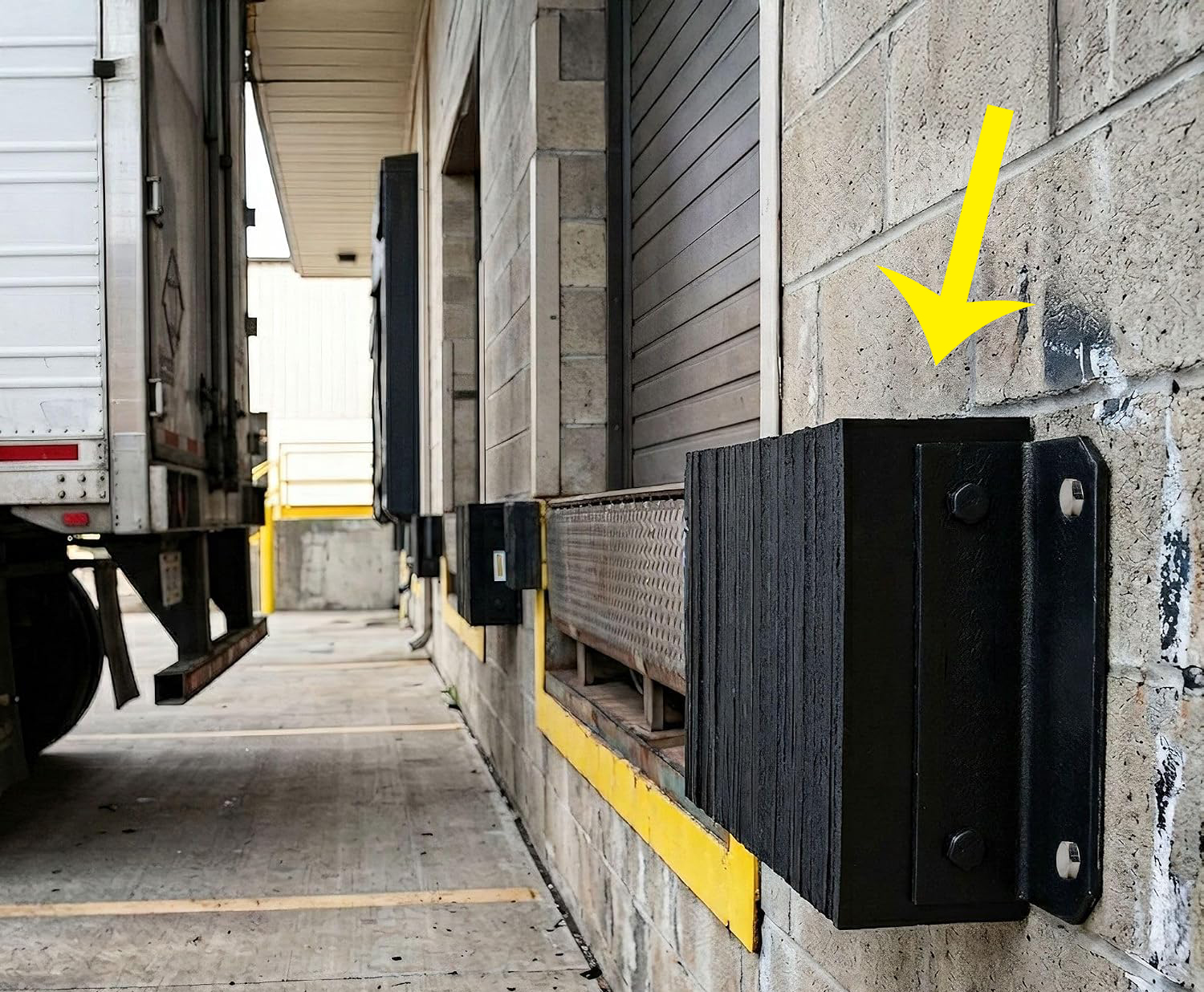 Rubber Laminated Loading Dock Bumper with Steel Angle: 5 Field Failure Signs That Point Back to the RFQ
 Bridge Bearing Pad Field Failure: 5 Visual Signs Before It Retires (And What Caused It)
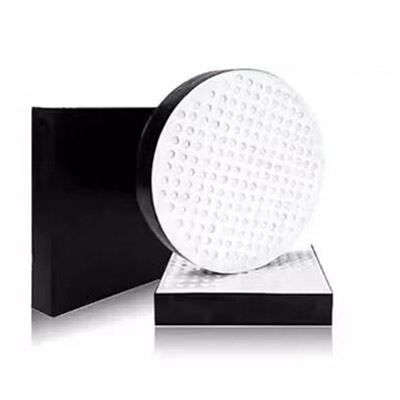 Bridge Bearing Pad RFQ Checklist: 9 Lines That Stop Suppliers From Subbing the Rubber
 Laminated Rubber Bearing: Maintenance and Inspection Protocols