
In the realm of sealing solutions, the choice of material and design can significantly impact the efficiency, durability, and reliability of various applications. One such material that has garnered considerable attention in recent years is Viton rubber. Known for its exceptional properties, Viton rubber plugs have become a staple in numerous industries, ranging from automotive and aerospace to chemical processing and plumbing. This article delves into the myriad advantages of using Viton rubber plugs, highlighting their versatility, resistance to extreme conditions, and overall contribution to enhancing the performance of sealing systems.
1. Exceptional Chemical Resistance
One of the most notable advantages of Viton rubber plugs is their remarkable chemical resistance. Unlike many other elastomers, Viton can withstand exposure to a wide range of chemicals, including acids, bases, solvents, and oils. This makes it an ideal choice for applications where the seal will come into contact with aggressive substances. For instance, in chemical processing plants, where leaks can lead to hazardous situations and costly shutdowns, Viton plugs provide a reliable barrier against chemical ingress, ensuring the safety and integrity of the process.
In the automotive industry, Viton plugs are often used in fuel systems and engine compartments, where they must endure contact with gasoline, diesel, and various lubricants. Their chemical stability ensures that the plugs maintain their structural integrity and sealing capabilities over time, even in the presence of these harsh substances.
2. High Temperature Tolerance
Another key advantage of Viton rubber plugs is their ability to perform effectively at high temperatures. Viton can withstand temperatures ranging from -40°F to 400°F (-40°C to 204°C), making it suitable for applications where temperature fluctuations are common or where high temperatures are a constant. This temperature resistance is particularly valuable in aerospace applications, where engines and other components operate at extremely high temperatures.
In industrial settings, such as steel mills and glass manufacturing plants, equipment often generates significant heat. Viton plugs can endure these high temperatures without degrading or losing their sealing properties, ensuring continuous and reliable operation. Furthermore, their ability to maintain flexibility even at elevated temperatures allows for better sealing performance compared to other materials that may harden or soften under similar conditions.
3. Excellent Mechanical Properties
Viton rubber plugs exhibit excellent mechanical properties, including high tensile strength, good elongation, and superior tear resistance. These characteristics make them well-suited for applications that require robust and durable seals. In hydraulic systems, for example, where pressure fluctuations can cause seals to fail, Viton plugs provide the necessary strength and resilience to withstand high-pressure environments.
Additionally, Viton's ability to resist compression set ensures that the plugs maintain their shape and sealing capabilities even after prolonged exposure to pressure. This is particularly important in applications where the seal must remain effective over extended periods, such as in underwater equipment or in sealing components of heavy machinery.
4. Resistance to Weathering and Ozone
Viton rubber plugs are also known for their resistance to weathering and ozone. This makes them an excellent choice for outdoor applications or in environments where the seal will be exposed to the elements. Ozone, a component of smog, can cause cracking and degradation in many elastomers, leading to premature failure of the seal. However, Viton's resistance to ozone ensures that the plugs remain intact and functional, even in ozone-rich environments.
In the marine industry, Viton plugs are often used in boat engines and other components that are exposed to saltwater and harsh weather conditions. Their ability to withstand the corrosive effects of saltwater and the damaging effects of UV radiation makes them a reliable choice for ensuring the longevity and performance of marine equipment.
5. Low Permeability
Permeability refers to the ability of a material to allow gases or liquids to pass through it. In sealing applications, low permeability is crucial for maintaining the integrity of the system. Viton rubber plugs have low permeability to gases and liquids, making them effective in applications where maintaining a tight seal is essential.
In the medical industry, for example, Viton plugs are used in devices that require sterile conditions. Their low permeability ensures that contaminants do not enter the system, maintaining the sterility and safety of the medical device. Similarly, in the food and beverage industry, Viton plugs are used in equipment where cross-contamination must be avoided, ensuring the purity and quality of the products.
6. Versatility and Customizability
Viton rubber plugs are available in a variety of shapes, sizes, and hardness levels, making them versatile for a wide range of applications. Manufacturers can customize the plugs to meet specific requirements, ensuring optimal sealing performance in different environments. This customizability is particularly valuable in industries where standard off-the-shelf seals may not be suitable for the unique needs of the application.
Furthermore, Viton's compatibility with various coatings and adhesives allows for additional customization to enhance the seal's performance. For instance, applying a specific coating to the plug can improve its lubricity, making it easier to insert and remove, or enhance its resistance to specific chemicals or temperatures.
7. Cost-Effectiveness
While Viton rubber plugs may have a higher initial cost compared to some other elastomers, their long-term benefits make them a cost-effective choice. Their durability, resistance to extreme conditions, and reliability reduce the need for frequent replacements, lowering maintenance costs and downtime. In industries where equipment downtime can result in significant losses, such as in manufacturing or aerospace, the use of Viton plugs can lead to substantial cost savings over time.
In conclusion, Viton rubber plugs offer a multitude of advantages that make them a superior choice for sealing applications in various industries. Their exceptional chemical resistance, high temperature tolerance, excellent mechanical properties, resistance to weathering and ozone, low permeability, versatility, and cost-effectiveness combine to provide a reliable and efficient sealing solution. As technology continues to advance and industries seek more durable and reliable materials, Viton rubber plugs are poised to remain a staple in the world of sealing solutions.
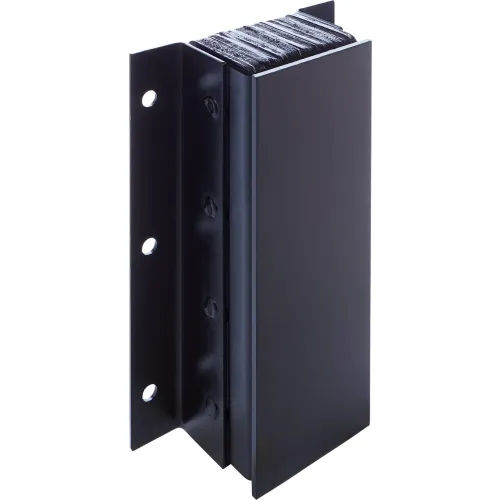 Steel-Faced Laminated Rubber Bumper: 5 Field Problems Buyers Keep Finding After Installation
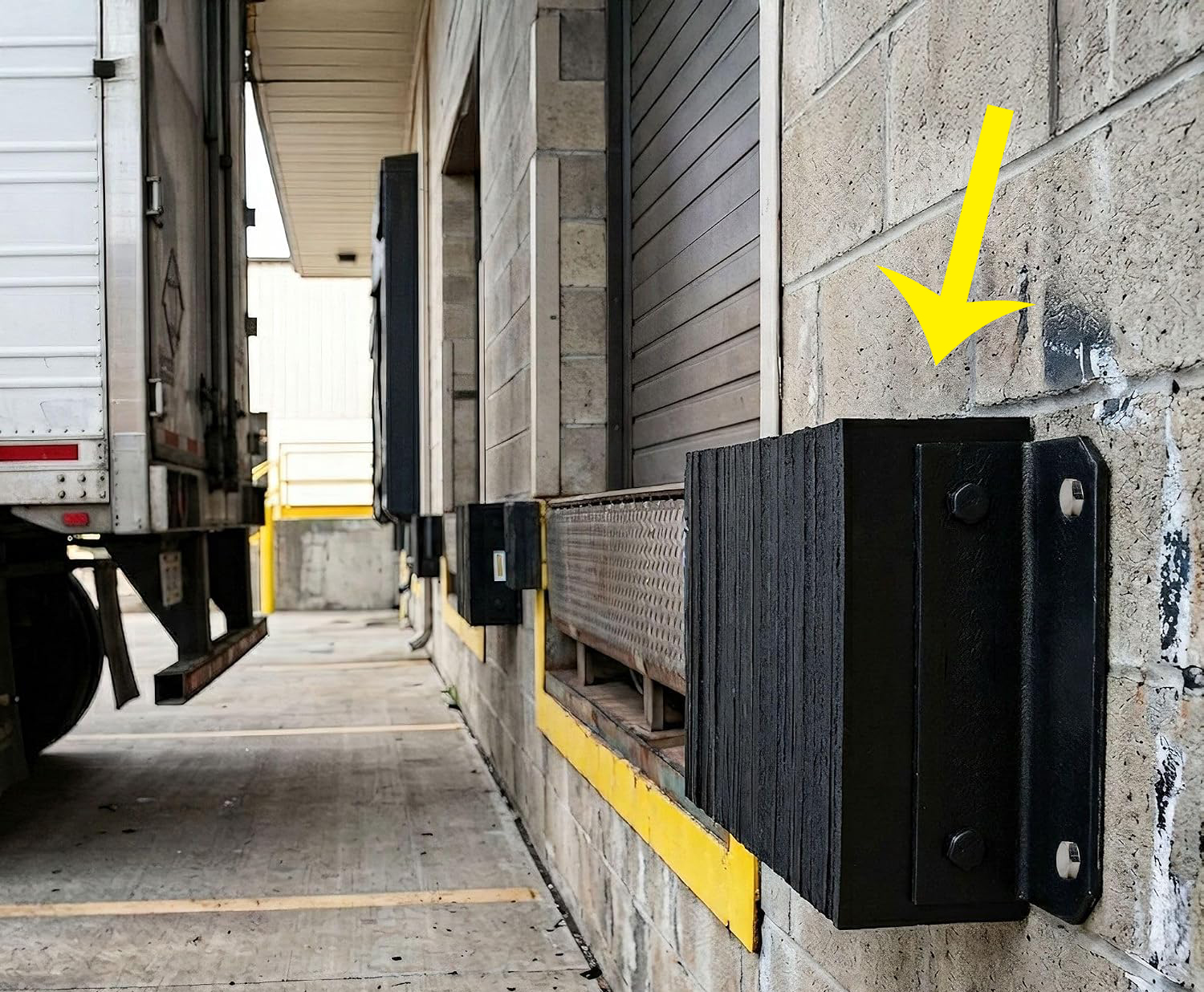 Rubber Laminated Loading Dock Bumper with Steel Angle: 5 Field Failure Signs That Point Back to the RFQ
 Bridge Bearing Pad Field Failure: 5 Visual Signs Before It Retires (And What Caused It)
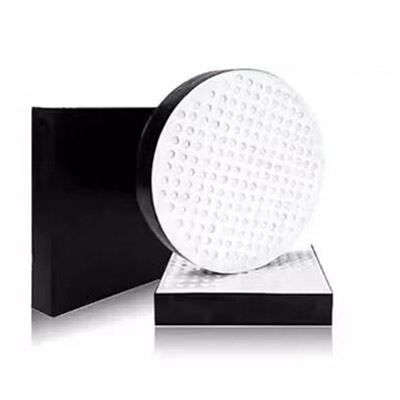 Bridge Bearing Pad RFQ Checklist: 9 Lines That Stop Suppliers From Subbing the Rubber