
In the realm of industrial components, rubber plugs serve as unsung heroes, providing critical sealing functions in a myriad of applications. From automotive engines to plumbing systems, these unassuming devices play a pivotal role in preventing leaks and maintaining operational integrity. Given their importance, it is imperative that rubber plugs undergo rigorous testing to ensure they meet the required standards of performance, durability, and reliability. This article delves into the various testing methods and protocols employed to evaluate rubber plugs, highlighting the key parameters that are assessed and the procedures that are followed.
1. Visual Inspection
The first line of testing for rubber plugs is a thorough visual inspection. This method, though seemingly simple, is crucial in identifying any immediate defects or anomalies. Inspectors examine the plugs for cracks, cuts, bubbles, or any other irregularities in the material. The color, texture, and overall appearance are also scrutinized to ensure consistency with the specified quality standards. A visual inspection is typically conducted under good lighting conditions, often with the aid of magnifying tools to detect even the tiniest imperfections.
2. Dimensional Accuracy
Dimensional accuracy is a critical aspect of rubber plug testing. Plugs must fit perfectly into their designated spaces to provide an effective seal. Therefore, precise measurements of the plug's diameter, length, and any other relevant dimensions are taken using calibrated instruments such as micrometers, calipers, or coordinate measuring machines (CMMs). Deviations from the specified dimensions, no matter how minute, can compromise the plug's sealing capability and must therefore be carefully monitored.
3. Material Composition Analysis
The material composition of rubber plugs significantly influences their performance characteristics. Testing protocols often include material composition analysis to verify that the plugs are made from the correct type of rubber compound. Techniques such as Fourier Transform Infrared Spectroscopy (FTIR) or thermogravimetric analysis (TGA) can be employed to determine the chemical composition of the rubber. This ensures that the plugs exhibit the desired properties in terms of elasticity, resistance to chemicals, temperature tolerance, and other relevant factors.
4. Tensile Strength and Elongation Testing
Tensile strength and elongation are fundamental mechanical properties that indicate a material's ability to withstand tensile forces without breaking and its capacity to stretch before rupture, respectively. For rubber plugs, these properties are crucial as they determine the plug's durability and its ability to maintain a seal under stress. Tensile strength and elongation tests are conducted using universal testing machines that apply controlled tensile forces to the plugs and measure the resulting deformation and ultimate failure point.
5. Hardness Testing
Hardness is another essential property that affects the performance of rubber plugs. It refers to a material's resistance to indentation or penetration. Rubber plugs with the appropriate hardness can effectively conform to the surface they are sealing, providing a tight and secure fit. Hardness testing is commonly performed using durometers, which measure the depth of an indentation made by a standardized indentor when a specific force is applied. The results are reported on a scale, such as the Shore A or Shore D scale, depending on the hardness range of the rubber being tested.
6. Compression Set Testing
Compression set is a measure of a material's ability to recover its original shape after being subjected to a compressive load for a prolonged period. For rubber plugs, a low compression set is desirable as it ensures that the plug can maintain its sealing properties even after prolonged use or exposure to pressure. Compression set testing involves compressing the plug to a specified deformation and holding it under that load for a predetermined time. After the load is removed, the plug's recovery is assessed by measuring any permanent deformation that has occurred.
7. Fluid Compatibility Testing
Rubber plugs are often exposed to various fluids in their applications, such as oils, fuels, coolants, and solvents. It is essential that the plugs do not degrade or swell when in contact with these fluids, as this could compromise their sealing ability. Fluid compatibility testing involves immersing the plugs in the relevant fluids for a specified duration and then evaluating any changes in their appearance, dimensions, or mechanical properties. This test ensures that the plugs are suitable for use in the intended environment.
8. Temperature Cycling Testing
Rubber plugs must perform reliably over a wide range of temperatures. Temperature cycling testing simulates the thermal conditions that the plugs may encounter in real-world applications. The plugs are subjected to repeated cycles of heating and cooling, typically within a controlled environmental chamber. After the test, the plugs are inspected for any signs of cracking, deformation, or loss of elasticity. This test helps to identify any potential issues related to thermal expansion, contraction, or material degradation due to temperature fluctuations.
9. Aging Testing
Aging testing assesses the long-term durability of rubber plugs. It simulates the effects of prolonged exposure to environmental factors such as heat, light, oxygen, and ozone, which can cause the rubber to degrade over time. The plugs are exposed to accelerated aging conditions in a specialized chamber and then evaluated for changes in their physical and mechanical properties. This test provides insights into the plug's expected lifespan and its ability to maintain its sealing performance over an extended period.
10. Leak Testing
Finally, leak testing is a crucial step in verifying the effectiveness of rubber plugs. It involves installing the plugs in a test fixture that simulates the actual sealing application and then applying a pressure differential across the seal. The test fixture is monitored for any signs of leakage, such as air bubbles or a drop in pressure. Leak testing ensures that the plugs can provide a reliable and tight seal under the operating conditions they are designed for.
In conclusion, the testing of rubber plugs is a multifaceted process that involves a combination of visual inspections, dimensional measurements, material analyses, mechanical tests, fluid compatibility assessments, temperature cycling, aging tests, and leak tests. Each test provides valuable information about the plug's performance characteristics and helps to ensure that it meets the stringent requirements of its intended application. By adhering to these comprehensive testing methods and protocols, manufacturers can have confidence in the quality and reliability of their rubber plugs, ultimately contributing to the safe and efficient operation of the systems they are a part of.
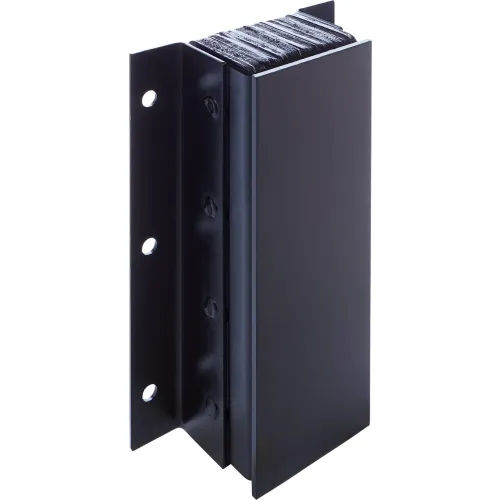 Steel-Faced Laminated Rubber Bumper: 5 Field Problems Buyers Keep Finding After Installation
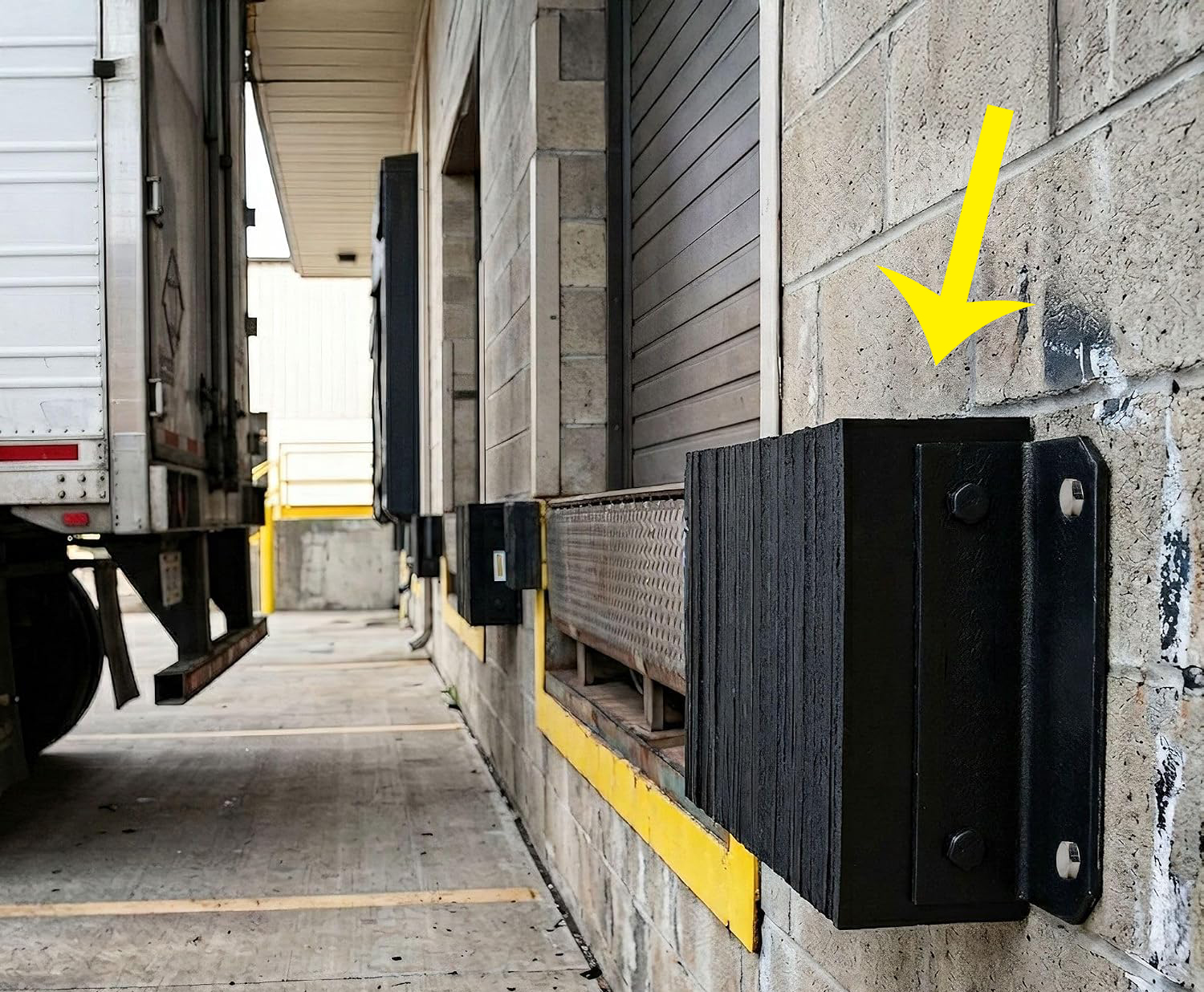 Rubber Laminated Loading Dock Bumper with Steel Angle: 5 Field Failure Signs That Point Back to the RFQ
 Bridge Bearing Pad Field Failure: 5 Visual Signs Before It Retires (And What Caused It)
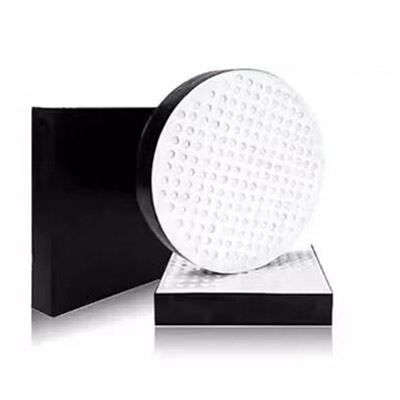 Bridge Bearing Pad RFQ Checklist: 9 Lines That Stop Suppliers From Subbing the Rubber