
In the realm of materials science and engineering, rubber plugs play a crucial role in various applications, ranging from automotive parts to medical devices. One of the vital properties that determine the suitability of a rubber plug for a particular application is its tear strength. Tear strength, often overlooked in favor of more glamorous material properties like tensile strength or hardness, is a critical parameter that influences the durability and reliability of rubber components. This article delves into the intricacies of rubber plug tear strength, exploring its significance, measurement techniques, factors affecting it, and methods to enhance it.
The Importance of Tear Strength
Tear strength, simply put, is the resistance of a rubber material to tearing or ripping under applied force. It is a measure of how well the material can withstand the initiation and propagation of cracks or tears. In the context of rubber plugs, tear strength is particularly important because these components are often subjected to dynamic loads, pressure fluctuations, and environmental stressors that can lead to tearing.
A rubber plug with high tear strength is less likely to fail prematurely, ensuring the integrity and functionality of the system it is part of. For instance, in automotive engines, rubber plugs are used to seal various openings. If a plug tears, it can lead to oil leaks, which can cause engine failure. Similarly, in medical devices, such as infusion pumps, rubber plugs are used to create airtight seals. A tear in the plug can compromise the sterile environment, leading to potential health risks.
Measurement Techniques
Measuring tear strength involves subjecting a rubber sample to a controlled tearing force and recording the force required to propagate the tear. Several standardized test methods exist, each with its own set of procedures and specifications. One of the most commonly used methods is the ASTM D624 standard test method for tear strength of conventional vulcanized rubber and thermoplastic elastomers.
The ASTM D624 test involves cutting a specimen of the rubber material into a specific shape, typically a trouser-tear or an angle-tear specimen. The specimen is then clamped into a testing machine, and a tearing force is applied at a constant rate until the specimen tears completely. The force at tear initiation and the maximum force reached during the tear are recorded. The tear strength is usually reported as the average of several test results to ensure accuracy and reliability.
Other test methods, such as the ISO 37 (for rubber, vulcanized or thermoplastic — determination of tear strength) and DIN 53516 (for rubber testing — tear strength), follow similar principles but may have slight variations in specimen dimensions, test speed, and reporting criteria.
Factors Affecting Tear Strength
Several factors influence the tear strength of rubber plugs, including the rubber compound's formulation, processing conditions, and environmental factors.
Rubber Compound Formulation: The choice of raw materials, such as elastomers, fillers, curatives, and additives, significantly affects tear strength. Elastomers with high molecular weight and good cross-link density generally exhibit higher tear strength. Fillers, such as carbon black or silica, can reinforce the rubber matrix, improving its resistance to tearing. However, excessive filler loading can lead to brittle failure and reduced tear strength.
Processing Conditions: The way the rubber compound is processed, including mixing, extrusion, molding, and vulcanization, can impact tear strength. Proper processing ensures uniform dispersion of fillers and curatives, leading to optimal cross-link density and mechanical properties. Over- or under-curing can adversely affect tear strength by altering the rubber's microstructure.
Environmental Factors: Rubber plugs are often exposed to harsh environments, such as high temperatures, chemicals, and UV radiation, which can degrade the rubber and reduce its tear strength over time. The choice of elastomer and additives should consider the specific environmental conditions the plug will encounter.
Methods to Enhance Tear Strength
Enhancing the tear strength of rubber plugs involves a combination of material selection, compound formulation, and processing optimization. Here are some strategies to improve tear strength:
Elastomer Selection: Choose elastomers with inherently high tear strength, such as natural rubber (NR), styrene-butadiene rubber (SBR), or nitrile rubber (NBR). These elastomers have good balance of elasticity, strength, and tear resistance.
Filler Optimization: Use appropriate fillers and reinforce the rubber matrix. Carbon black and silica are effective fillers that can increase tear strength. However, the type, grade, and loading of the filler should be carefully selected to avoid brittle failure.
Cross-link Density Control: Ensure optimal cross-link density during vulcanization. Too few cross-links can result in weak, easily tearable rubber, while too many cross-links can make the rubber brittle. The vulcanization process should be carefully controlled to achieve the desired cross-link density.
Additive Incorporation: Additives, such as antioxidants, antiozonants, and plasticizers, can improve the rubber's resistance to environmental degradation and enhance its tear strength. These additives should be compatible with the rubber compound and should not adversely affect other material properties.
Processing Optimization: Optimize the mixing, extrusion, molding, and vulcanization processes to ensure uniform dispersion of fillers and curatives. Proper processing can lead to improved mechanical properties, including tear strength.
Design Considerations: The design of the rubber plug can also influence its tear strength. Avoid sharp corners and stress concentrations that can initiate tears. Provide adequate thickness and reinforcement in areas subjected to high stresses.
Tear strength is a critical property of rubber plugs that determines their durability and reliability in various applications. Understanding the factors that affect tear strength and implementing strategies to enhance it can lead to the development of high-performance rubber components. By carefully selecting elastomers, optimizing compound formulations, controlling processing conditions, and considering design factors, engineers and material scientists can create rubber plugs with superior tear strength, ensuring the integrity and functionality of the systems they are part of.
In summary, tear strength is an essential aspect of rubber plug performance that should not be overlooked. Through rigorous testing, material selection, and processing optimization, it is possible to develop rubber plugs that can withstand the rigors of their intended applications, providing long-lasting and reliable performance.
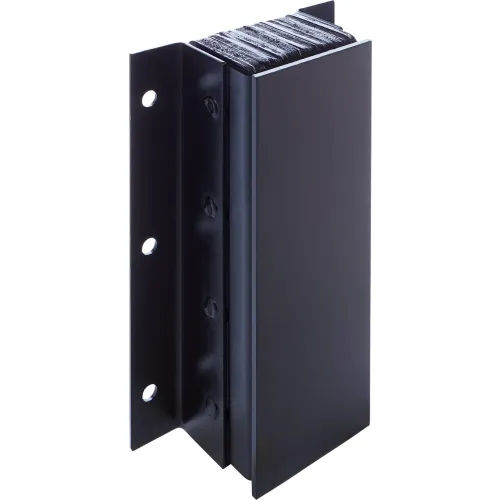 Steel-Faced Laminated Rubber Bumper: 5 Field Problems Buyers Keep Finding After Installation
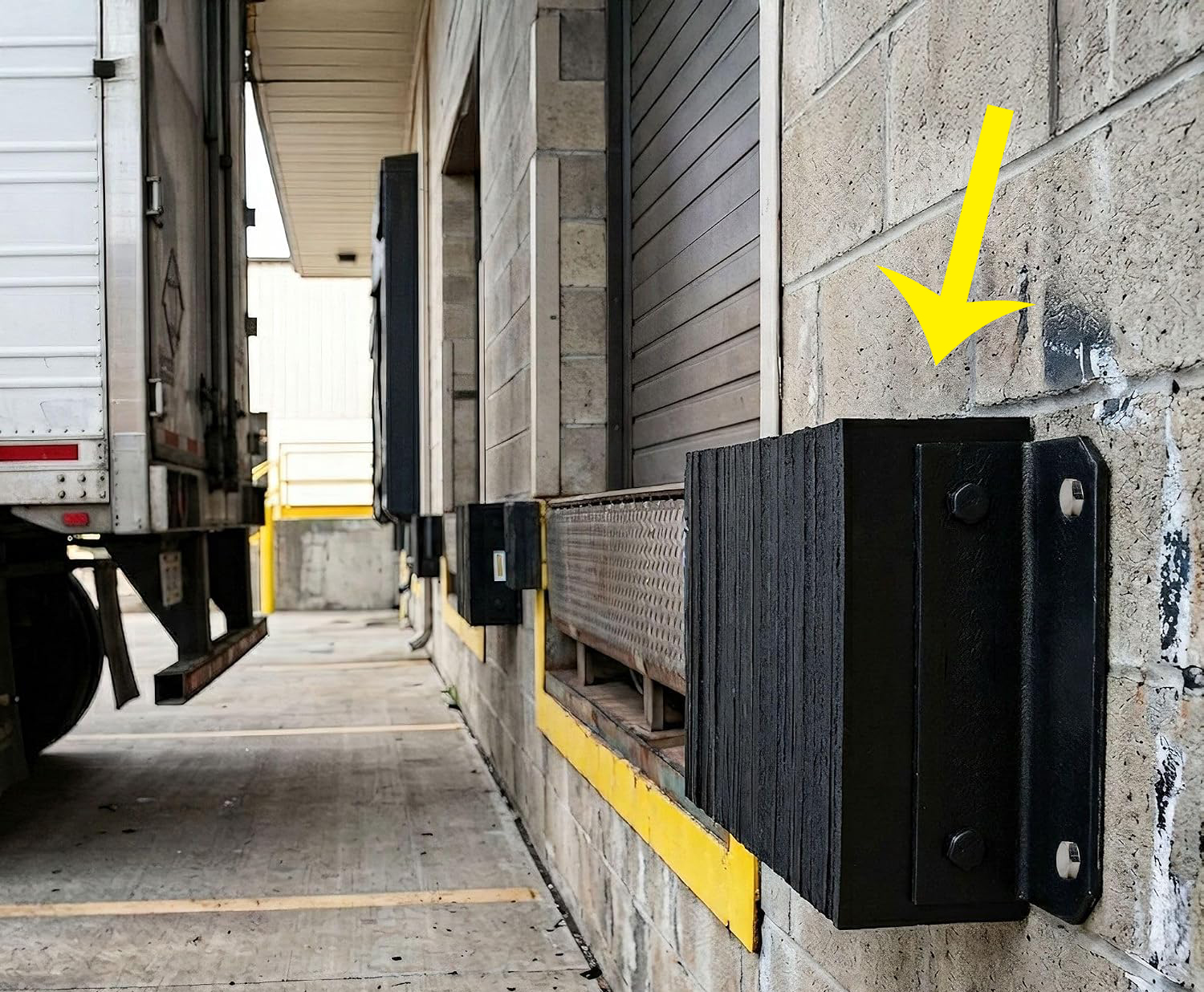 Rubber Laminated Loading Dock Bumper with Steel Angle: 5 Field Failure Signs That Point Back to the RFQ
 Bridge Bearing Pad Field Failure: 5 Visual Signs Before It Retires (And What Caused It)
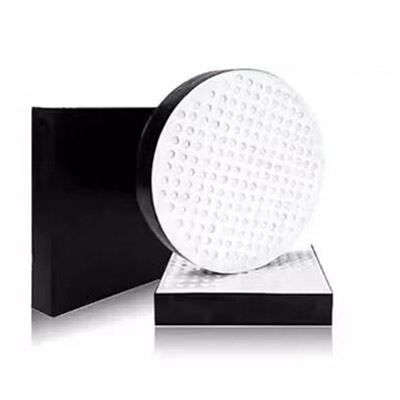 Bridge Bearing Pad RFQ Checklist: 9 Lines That Stop Suppliers From Subbing the Rubber