
The vast expanse of the ocean has always presented a unique set of challenges and opportunities for human endeavor. From the early explorers charting unknown waters to modern-day marine engineers designing sophisticated vessels, the materials and technologies employed in marine applications have evolved significantly. One such unassuming yet crucial component in this domain is the rubber plug. Though seemingly mundane, rubber plugs play a vital role in ensuring the functionality, safety, and efficiency of various marine systems. This article delves into the multifaceted roles of rubber plugs in marine applications, highlighting their importance, design considerations, and the impact they have on the overall performance of marine vessels.
Sealing and Watertight Integrity
One of the primary functions of rubber plugs in marine applications is to provide sealing and maintain watertight integrity. Marine environments are inherently harsh, with constant exposure to saltwater, moisture, and varying weather conditions. Ensuring that compartments, hatches, and various openings on a vessel remain watertight is critical to prevent water ingress, which could lead to structural damage, equipment failure, or even sinking.
Rubber plugs are often used to seal deck fittings, scuttles, and other openings that require periodic access. Their elastomeric properties allow them to conform to irregular surfaces, creating a tight seal that can withstand the pressure differences encountered at sea. Furthermore, rubber's inherent flexibility enables it to accommodate minor movements and vibrations without compromising the seal, making it an ideal choice for dynamic marine environments.
Corrosion Resistance
Marine environments are notorious for their corrosive nature, with saltwater and high humidity accelerating the deterioration of metallic components. Rubber plugs, being non-metallic, offer excellent resistance to corrosion. This characteristic is particularly important in applications where traditional metal plugs or fittings might quickly degrade, leading to leaks and potential safety hazards.
The corrosion resistance of rubber plugs extends their service life, reducing the need for frequent replacements and associated maintenance costs. This durability is essential for long-term reliability, especially in remote or harsh operating conditions where access for repairs may be limited.
Vibration and Shock Absorption
Marine vessels are subject to constant vibrations and shocks, whether from wave action, engine operation, or cargo handling. These dynamic forces can cause components to loosen or fail prematurely. Rubber plugs, with their damping properties, help absorb and dissipate these vibrations, protecting surrounding structures and equipment from damage.
In engine compartments, for example, rubber plugs used in pipe connections or as mounting grommets can reduce the transmission of vibrations, enhancing the overall quietness and comfort on board. They also play a crucial role in isolating sensitive electronic equipment from mechanical disturbances, ensuring accurate and reliable operation.
Environmental Protection
With increasing awareness of environmental conservation, marine industries are under pressure to minimize their ecological footprint. Rubber plugs contribute to this effort by preventing the leakage of harmful substances into the marine environment. Whether sealing fuel tanks, bilge water compartments, or chemical storage areas, rubber plugs help contain potential pollutants, safeguarding the ocean's delicate ecosystems.
Moreover, the use of environmentally friendly rubber compounds, such as those free from harmful additives or with biodegradable properties, further enhances the sustainability of marine applications. These eco-conscious materials ensure that, even if a plug were to be lost or discarded at sea, its impact on the environment would be minimized.
Versatility and Customization
Rubber plugs are available in a wide range of sizes, shapes, and materials, making them highly versatile for various marine applications. From simple circular plugs for drainage holes to complex, custom-molded components for specialized fittings, rubber can be tailored to meet specific requirements.
This versatility extends to the choice of rubber compound, which can be selected based on factors such as temperature resistance, chemical compatibility, and abrasion resistance. For instance, in high-temperature engine compartments, silicone or fluoroelastomer plugs may be used due to their heat tolerance. Conversely, in applications involving exposure to oils and fuels, nitrile rubber is often preferred for its chemical resistance.
Ease of Installation and Maintenance
Another advantage of rubber plugs in marine applications is their ease of installation and maintenance. Unlike some metallic or mechanical sealing solutions, rubber plugs can often be installed quickly and without specialized tools. This simplicity reduces labor costs and downtime, allowing for more efficient vessel operation.
Furthermore, rubber plugs are relatively easy to inspect and replace. Regular maintenance checks can quickly identify any worn or damaged plugs, which can then be swapped out with minimal disruption. This straightforward maintenance regime contributes to the overall safety and reliability of marine systems.
In conclusion, rubber plugs may be small and unassuming, but their role in marine applications is anything but insignificant. They provide essential sealing capabilities, resist corrosion, absorb vibrations, protect the environment, offer versatility, and simplify installation and maintenance. As marine industries continue to push the boundaries of design and performance, the humble rubber plug will undoubtedly remain a staple component, quietly contributing to the safety, efficiency, and sustainability of marine vessels.
The evolution of rubber technology, with advances in material science and manufacturing processes, will further enhance the capabilities of rubber plugs in the future. From improved durability and resistance to innovative designs that cater to emerging marine applications, rubber plugs will continue to play a pivotal role in navigating the challenges and opportunities of the vast blue expanse.
As we look towards a future where marine transportation becomes increasingly sophisticated and environmentally conscious, the humble rubber plug stands as a testament to the power of simple, yet effective, engineering solutions. It is a reminder that, in the grand tapestry of marine innovation, every component, no matter how small, plays a crucial part in the overall success and sustainability of our maritime endeavors.
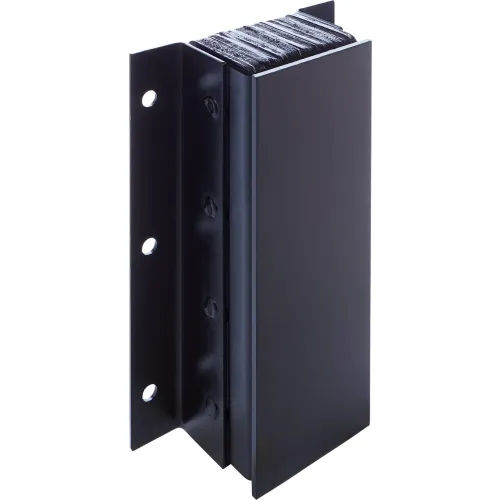 Steel-Faced Laminated Rubber Bumper: 5 Field Problems Buyers Keep Finding After Installation
 Rubber Laminated Loading Dock Bumper with Steel Angle: 5 Field Failure Signs That Point Back to the RFQ
 Bridge Bearing Pad Field Failure: 5 Visual Signs Before It Retires (And What Caused It)
 Bridge Bearing Pad RFQ Checklist: 9 Lines That Stop Suppliers From Subbing the Rubber