
In the food and beverage industry, ensuring product safety, hygiene, and efficiency is paramount. One often-overlooked yet crucial component in maintaining these standards is the rubber plug. Rubber plugs are utilized in various stages of production, from sealing containers to blocking pipelines during maintenance. Selecting the right rubber plug is essential to prevent contamination, leaks, and operational disruptions. This article delves into the key factors to consider when choosing rubber plugs for the food and beverage industry, highlighting the importance of material selection, design specifications, regulatory compliance, and maintenance practices.
Understanding the Role of Rubber Plugs
Rubber plugs serve as versatile sealing devices in the food and beverage sector. They are designed to fit into openings of various sizes and shapes, providing a tight seal to prevent the ingress or egress of liquids, gases, or solids. Whether it's sealing a bottle during transportation, blocking a pipe during cleaning, or sealing a tank for storage, rubber plugs play a critical role in maintaining product integrity and process efficiency.
Material Selection: The Foundation of Safety and Durability
The choice of rubber material is the cornerstone of effective plug selection. In the food and beverage industry, materials must meet stringent safety standards to avoid contamination. Here are some key materials to consider:
Elastomers: Natural rubber (NR) and synthetic rubbers like nitrile (NBR), ethylene propylene diene monomer (EPDM), and silicone (VMQ) are commonly used. Each material has unique properties that make it suitable for different applications. For instance, nitrile rubber offers excellent resistance to oils and greases, making it ideal for environments where food-grade lubricants are used.
Food-Grade Compliance: It is crucial to select materials that comply with food safety regulations such as FDA (Food and Drug Administration) guidelines in the United States or EFSA (European Food Safety Authority) regulations in Europe. These regulations ensure that the rubber does not leach harmful substances into the food or beverage products.
Temperature Resistance: The rubber material should withstand the temperature ranges encountered during processing, storage, and transportation. For example, silicone rubber can handle extreme temperatures, making it suitable for high-temperature sterilization processes.
Chemical Resistance: The rubber plug must resist degradation from the chemicals used in cleaning and sanitizing processes. EPDM, for instance, is highly resistant to many common cleaning agents.
Design Specifications: Tailoring Plugs for Specific Needs
The design of the rubber plug is another critical aspect. A well-designed plug ensures a secure fit, easy installation and removal, and long-term durability. Consider the following design elements:
Shape and Size: Rubber plugs come in various shapes, including round, square, and custom configurations. The size must match the opening it is intended to seal. Custom-molded plugs can provide a perfect fit for irregular or unique openings.
Durometer (Hardness): The durometer of the rubber affects its flexibility and sealing capability. A harder rubber may provide better resistance to pressure but could be more difficult to insert or remove. Conversely, a softer rubber offers better sealing properties but may wear out faster.
Reinforcement: In applications requiring high strength or pressure resistance, reinforced rubber plugs with fabric or metal inserts can provide additional durability.
Handles and Grips: For ease of use, especially in large-scale operations, plugs with handles or grips can facilitate quick and effortless installation and removal.
Regulatory Compliance: Navigating the Legal Landscape
Compliance with industry standards and regulations is non-negotiable in the food and beverage sector. Rubber plugs must meet specific safety and quality criteria outlined by regulatory bodies. Manufacturers should:
Obtain Certifications: Ensure that the rubber plugs are certified by recognized organizations such as NSF International or other regional equivalents. These certifications confirm that the products meet the required safety and performance standards.
Documentation and Traceability: Maintain comprehensive documentation of the rubber plugs' origin, composition, and testing results. This information is crucial for traceability and audit purposes.
Stay Informed: Regulations can change over time. It is essential to stay updated on the latest regulatory requirements to ensure ongoing compliance.
Maintenance and Inspection Practices
Proper maintenance and regular inspection of rubber plugs are vital to extend their lifespan and prevent potential issues. Here are some best practices:
Cleaning and Sanitization: Regularly clean and sanitize rubber plugs according to the manufacturer's instructions and industry guidelines. This step helps prevent the buildup of bacteria and other contaminants.
Inspection for Wear and Tear: Periodically inspect rubber plugs for signs of wear, cracking, or deformation. Replace any damaged plugs immediately to avoid leaks and contamination.
Storage Conditions: Store rubber plugs in a cool, dry place away from direct sunlight and sources of heat. Exposure to extreme conditions can accelerate aging and degradation of the rubber.
Training: Ensure that staff involved in the handling and maintenance of rubber plugs are adequately trained. Proper training can help prevent misuse and damage, enhancing the overall efficiency and safety of the operation.
Selecting the right rubber plug for the food and beverage industry is a multifaceted process that involves careful consideration of material properties, design specifications, regulatory compliance, and maintenance practices. By prioritizing safety, durability, and efficiency, manufacturers can ensure that their rubber plugs contribute to the overall quality and integrity of their products.
Investing in high-quality rubber plugs not only safeguards against contamination and leaks but also enhances operational efficiency, reducing downtime and maintenance costs. As the industry continues to evolve, staying informed about the latest advancements in rubber materials and design will be crucial in maintaining the highest standards of product safety and hygiene.
In summary, the choice of rubber plugs in the food and beverage industry should not be taken lightly. It requires a thorough understanding of the application requirements, material science, regulatory framework, and maintenance protocols. By making informed decisions, manufacturers can ensure that their rubber plugs are a reliable and integral part of their production processes.
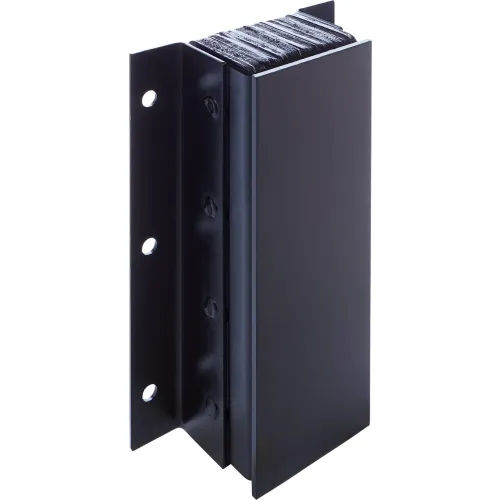 Steel-Faced Laminated Rubber Bumper: 5 Field Problems Buyers Keep Finding After Installation
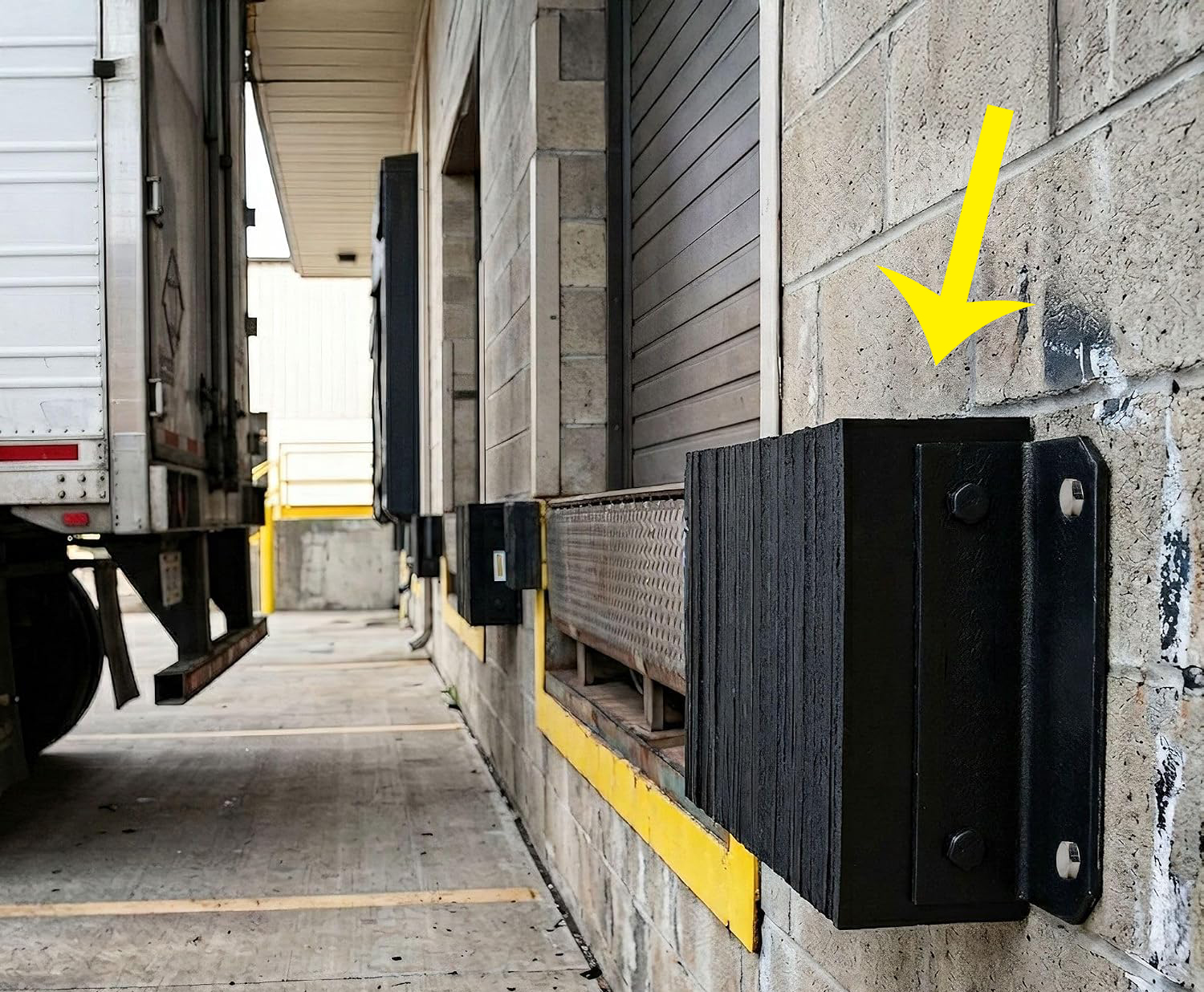 Rubber Laminated Loading Dock Bumper with Steel Angle: 5 Field Failure Signs That Point Back to the RFQ
 Bridge Bearing Pad Field Failure: 5 Visual Signs Before It Retires (And What Caused It)
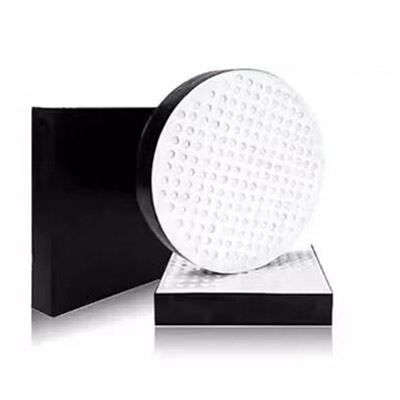 Bridge Bearing Pad RFQ Checklist: 9 Lines That Stop Suppliers From Subbing the Rubber