
Rubber plugs are indispensable components in numerous industries, serving functions ranging from maintaining airtight seals in containers to providing insulation and absorbing shock. Consequently, the quality of these plugs is paramount in preserving the efficacy and safety of the products in which they are incorporated. The process of ensuring the quality of rubber plugs involves rigorous testing procedures that assess various aspects of their performance and durability.
Types of Rubber Plug Testing
To guarantee the reliability of rubber plugs, manufacturers subject them to a battery of tests that can be broadly categorized into physical, chemical, and environmental testing.
Physical Testing: This type of testing focuses on the tangible attributes of rubber plugs, such as their dimensions, weight, and material composition. By measuring these parameters, manufacturers can verify that the plugs conform to the specified requirements before they are deemed fit for use. This ensures that the plugs will fit correctly and function as intended in their respective applications.
Chemical Testing: Chemical analysis is another crucial aspect of rubber plug testing. It involves determining the exact composition of the rubber material and identifying any potential hazards or impurities. This step is vital in ensuring that the rubber plugs are safe for their intended use and do not pose any risks to the end-users or the environment.
Environmental Testing: Rubber plugs are often exposed to harsh environmental conditions, such as extreme temperatures, humidity, and UV radiation. Environmental testing simulates these conditions to assess the durability and resistance of the plugs. By subjecting the plugs to these tests, manufacturers can ensure that they will perform reliably even in adverse environments.
Quality Assurance Standards for Rubber Plugs
To maintain the quality of rubber plugs, manufacturers adhere to a set of established quality assurance standards throughout the production process. These standards help ensure that the plugs meet the required specifications and perform consistently across different applications.
ISO Standards: The International Organization for Standardization (ISO) has developed several standards pertaining to rubber plugs, including ISO 3948 for rubber gaskets and seals. These standards outline the minimum requirements for materials, dimensions, and performance characteristics that rubber plugs must meet. By adhering to these standards, manufacturers can ensure that their products are of the highest quality and are suitable for their intended use.
Industry-Specific Standards: In addition to ISO standards, specific industries may have their own set of standards that rubber plugs must meet. For instance, in the automotive industry, rubber plugs used in critical applications must satisfy additional performance criteria to ensure safety and reliability. These industry-specific standards help ensure that rubber plugs are tailored to the unique requirements of each sector.
Tools and Techniques Used in Rubber Plug Testing
Manufacturers employ a variety of tools and techniques to test rubber plugs and ensure their quality. These tools and techniques are essential in verifying that the plugs meet the required specifications and perform as expected.
Calipers and Micrometers: Calipers and micrometers are precision measurement tools that are used to determine the dimensions of rubber plugs. By accurately measuring the plugs' dimensions, manufacturers can ensure that they fit correctly and function as intended. These tools are indispensable in maintaining the precision and consistency of rubber plug production.
Tensile Strength Tester: A tensile strength tester is used to measure the tensile strength of rubber plugs. This test is crucial in determining the plugs' ability to withstand tension and ensuring that they are strong enough to perform their intended function. By assessing the tensile strength, manufacturers can identify any weaknesses in the material and make necessary adjustments to improve the plugs' performance.
Hardness Tester: A hardness tester is another essential tool in rubber plug testing. It is used to measure the hardness of the rubber material, which is a critical factor in determining the plugs' consistency and resilience. By assessing the hardness, manufacturers can ensure that the rubber material meets the required specifications and will perform reliably in its intended application.
Chemical Analysis Equipment: Chemical analysis equipment is used to perform detailed chemical testing of rubber plugs. This equipment enables manufacturers to identify the exact composition of the rubber material and detect any potential hazards or impurities. By conducting thorough chemical analysis, manufacturers can ensure that their rubber plugs are safe and suitable for their intended use.
Challenges in Rubber Plug Testing
Despite the availability of advanced tools and techniques, testing rubber plugs can present several challenges. These challenges stem from the inherent variability of rubber materials and the complex nature of the applications in which they are used.
Variability in Materials: Rubber materials can exhibit significant variations in composition, properties, and performance characteristics. This variability can make it difficult to establish consistent testing procedures and ensure the quality of the rubber plugs. Manufacturers must carefully select and control the raw materials used in production to minimize these variations and ensure consistent product quality.
Environmental Factors: Environmental factors, such as temperature, humidity, and UV radiation, can have a profound impact on the performance of rubber plugs over time. To account for these factors, manufacturers must conduct extensive environmental testing to assess the durability and resistance of the plugs. By simulating real-world conditions, manufacturers can ensure that their rubber plugs will perform reliably even in harsh environments.
Complexity of Applications: Rubber plugs are used in a wide range of applications, each with its own unique set of requirements and challenges. For example, rubber plugs used in critical applications, such as automotive or aerospace, must meet stringent performance criteria to ensure safety and reliability. Manufacturers must carefully tailor their testing procedures to the specific needs of each application to ensure that their rubber plugs meet the required standards.
In conclusion, testing rubber plugs for quality assurance is a critical process that ensures the performance and safety of the products in which they are used. By adhering to established quality assurance standards and employing advanced tools and techniques, manufacturers can produce high-quality rubber plugs that meet the required specifications and perform their intended functions effectively. Despite the challenges posed by the variability of rubber materials and the complexity of applications, manufacturers can overcome these obstacles through careful selection of raw materials, extensive testing, and a commitment to excellence in product quality.
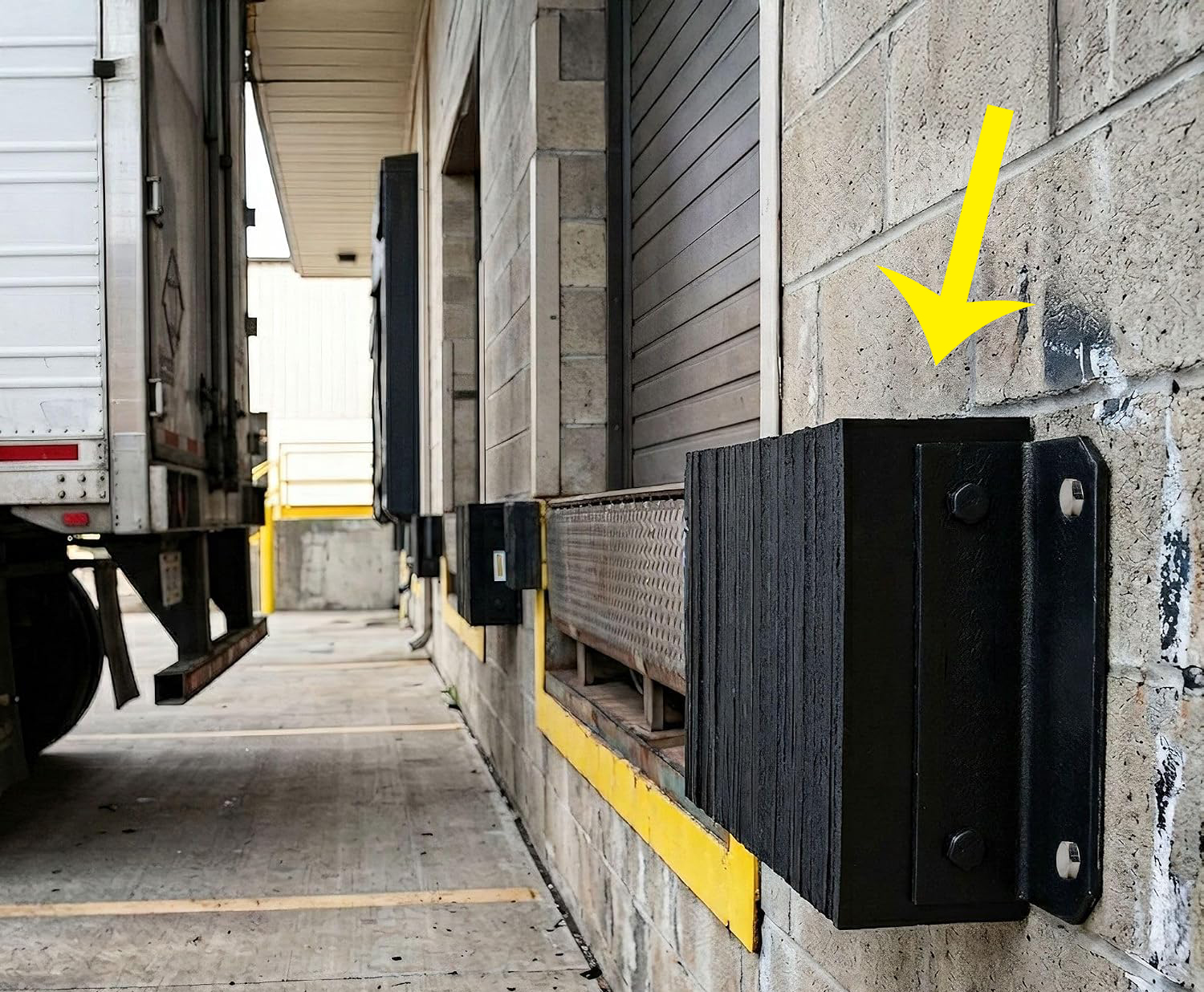 Rubber Laminated Loading Dock Bumper with Steel Angle: 5 Field Failure Signs That Point Back to the RFQ
 Bridge Bearing Pad Field Failure: 5 Visual Signs Before It Retires (And What Caused It)
 Bridge Bearing Pad RFQ Checklist: 9 Lines That Stop Suppliers From Subbing the Rubber
 Laminated Rubber Bearing: Maintenance and Inspection Protocols